AMENITIES THAT DON’T MATTER TO BUYERS ANYMORE IN MANHATTAN
WHY BUYER PRIORITIES HAVE SHIFTED
In Manhattan real estate, amenities once served as key differentiators. Today, buyer expectations have evolved, and many features that were heavily marketed a decade ago no longer influence pricing or demand. In neighborhoods such as Midtown East, the Upper West Side, and the Financial District, buyers are more focused on usability, efficiency, and long-term relevance rather than novelty.
Sellers often ask why certain amenities fail to add value despite significant investment. The answer lies in changing lifestyle patterns. Buyers now prioritize space, light, and functional design over features that are rarely used. A review of listings on Daniel Blatman’s Manhattan property search shows that properties with practical, well-maintained features consistently outperform those with outdated or underutilized amenity packages.
OVERSIZED LOBBIES AND UNDERUSED LOUNGES
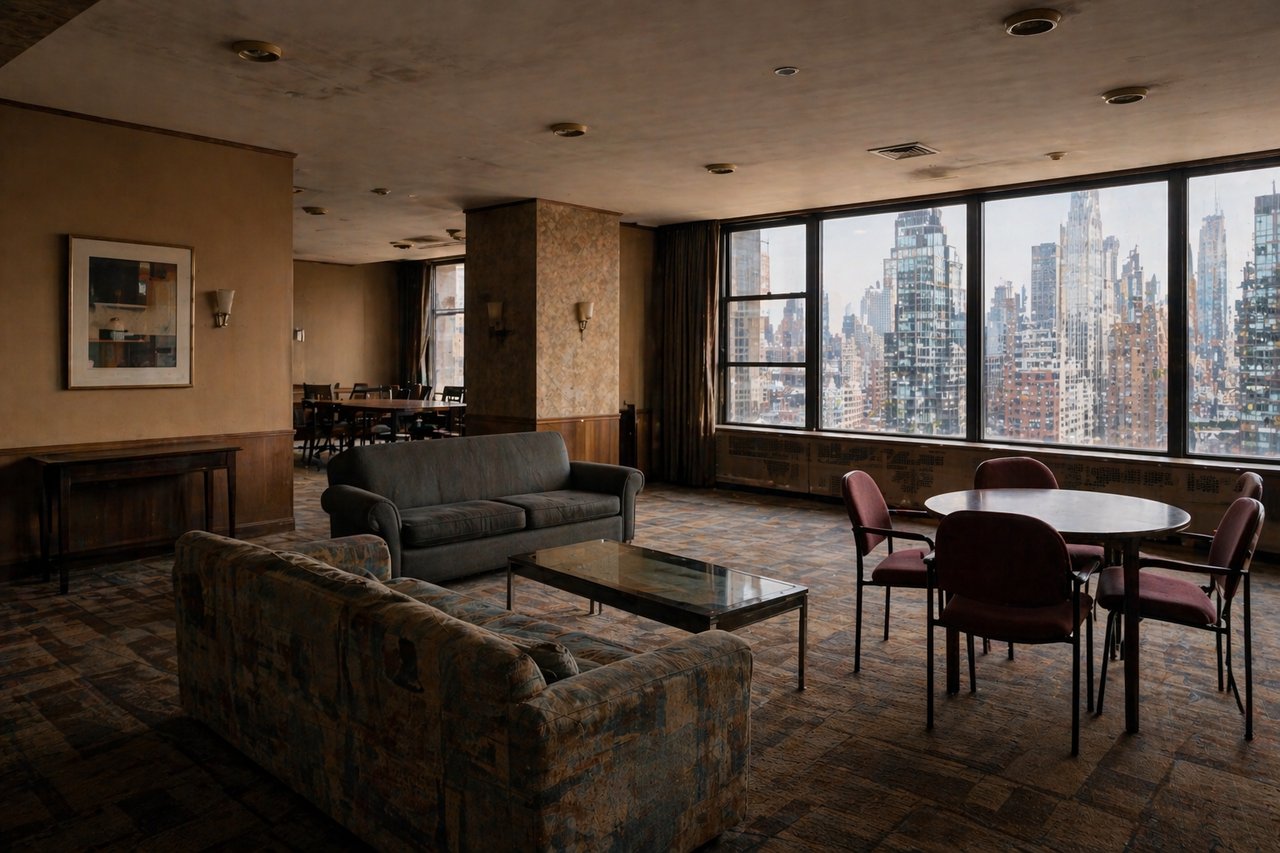
Large, decorative lobbies and formal resident lounges were once seen as essential markers of luxury, particularly in Midtown East high-rises. Today, these spaces often carry less weight unless they serve a clear function.
Buyers frequently ask whether these common areas justify higher maintenance costs. In many cases, they do not. Unless lounges are designed for active use such as co-working, meetings, or private events, they tend to sit empty. Buildings that allocate excessive square footage to rarely used spaces may struggle to compete with properties that prioritize in-unit quality and functional amenities.
BUSINESS CENTERS THAT NO LONGER REFLECT HOW PEOPLE WORK
Dedicated business centers were once a selling point, especially in the Financial District, where many buildings catered to finance professionals. However, the shift toward remote and hybrid work has changed how residents use space.
A common question is whether these centers still attract buyers. Most no longer do. Buyers now prefer flexible in-unit workspaces or adaptable shared areas rather than static computer rooms with outdated equipment. As technology has become more personal and mobile, these spaces have lost their relevance in modern buildings.
OVERLY SPECIALIZED FITNESS AND RECREATION ROOMS
While fitness centers remain valuable, overly specialized amenity spaces such as squash courts, golf simulators, or niche recreation rooms often fail to deliver consistent value. On the Upper West Side and in Midtown East, these features can feel dated if not regularly updated or widely used.
Buyers often ask whether these amenities increase resale value. In most cases, they do not. Maintenance costs for specialized facilities can be high, and usage tends to be limited. A well-designed, versatile fitness center is far more appealing than multiple niche spaces that serve a small percentage of residents.
FORMAL DINING AND EVENT ROOMS WITH LIMITED USE
Private dining rooms and event spaces were once marketed as extensions of the home, particularly in luxury buildings. However, their appeal has diminished as buyers place greater emphasis on private in-unit entertaining space.
Sellers frequently ask whether these rooms still influence buyer decisions. The reality is that unless they are thoughtfully designed and easily reservable, they are often overlooked. Buyers today prefer homes with open kitchens and living areas that accommodate entertaining without relying on shared facilities.
OUTDATED TECHNOLOGY AND OBSOLETE FEATURES
Technology-driven amenities can quickly become obsolete if not updated. Older intercom systems, dated media rooms, and poorly integrated building apps can detract from a property’s appeal rather than enhance it.
A key question is whether upgrading these systems is necessary before selling. In many cases, modernizing basic technology such as access systems and connectivity can improve buyer perception. Guidance on building systems and compliance can be found through the New York City Department of Buildings, which outlines standards for safety and infrastructure.
HOW TO IDENTIFY WHAT STILL MATTERS
For sellers, developers, and investors, the focus should be on relevance and usability. Amenities that solve everyday needs such as secure package handling, responsive staff, and functional storage consistently outperform those designed for occasional use.
Buyers often ask how to distinguish between valuable and outdated features. The answer lies in frequency of use and alignment with current lifestyles. Properties that emphasize flexibility, efficiency, and quality tend to maintain stronger demand.
Through Daniel Blatman’s NYC real estate expertise, clients can evaluate which amenities contribute to long-term value and which may no longer justify their cost. In today’s Manhattan market, success is not about offering more. It is about offering what truly matters.