DOES ART INFLUENCE REAL ESTATE PRICING IN MANHATTAN
HOW ART AND REAL ESTATE INTERSECT IN NYC
In Manhattan, art is not just cultural. It is economic. In neighborhoods such as SoHo, Chelsea, and the Lower East Side, proximity to galleries, artist communities, and cultural institutions plays a measurable role in shaping property demand and perceived value. For design-conscious buyers and collectors, real estate is often viewed as an extension of aesthetic identity, making art a subtle but powerful pricing factor.
Buyers frequently ask whether art directly increases property value. While it may not be reflected as a line item, its influence is embedded in buyer perception, neighborhood desirability, and overall market positioning. Reviewing listings through Daniel Blatman’s Manhattan property search shows that properties aligned with cultural districts consistently attract a more engaged and design-focused buyer pool.
SOHO: WHERE ART DEFINED THE MARKET
SoHo’s transformation from an industrial district to a global art destination fundamentally reshaped its real estate market. The neighborhood’s cast-iron buildings and expansive lofts were originally occupied by artists seeking large, flexible spaces. Today, that legacy continues to define its value.
A common question is whether SoHo’s artistic roots still influence pricing. The answer is yes. Even as the neighborhood has evolved into a luxury market, its identity as an art hub remains a core driver of demand. Many buildings fall within historic districts regulated by the New York City Landmarks Preservation Commission, preserving the architectural context that supports its cultural appeal. Buyers seeking authenticity and design continuity continue to prioritize SoHo properties.
CHELSEA: THE MODERN GALLERY DISTRICT
Chelsea represents a more contemporary intersection of art and real estate. Home to one of the highest concentrations of galleries in the world, the neighborhood attracts collectors, curators, and investors who value proximity to the art market.
Buyers often ask whether living near galleries impacts lifestyle and pricing. In practice, it does both. Properties near major gallery corridors benefit from increased visibility, cultural relevance, and sustained demand. Institutions and planning frameworks overseen by the NYC Department of City Planning help shape the neighborhood’s development, ensuring continued integration of residential and cultural spaces. For investors, Chelsea’s art ecosystem supports long-term value through consistent buyer interest.
LOWER EAST SIDE: EMERGING ART SCENE AND VALUE GROWTH
The Lower East Side offers a different perspective, where emerging galleries and creative spaces contribute to neighborhood evolution. As newer artists and independent galleries establish a presence, the area continues to attract buyers seeking both value and cultural engagement.
A frequent question is whether early-stage art districts translate into future pricing gains. Historically, neighborhoods with growing cultural scenes often experience increased demand over time. The Lower East Side’s mix of galleries, performance spaces, and creative venues positions it as a dynamic market for forward-looking investors. Exploring opportunities through Daniel Blatman’s Lower East Side listings highlights how cultural momentum can influence pricing trajectories.
THE ROLE OF ART IN INTERIOR DESIGN AND PERCEIVED VALUE
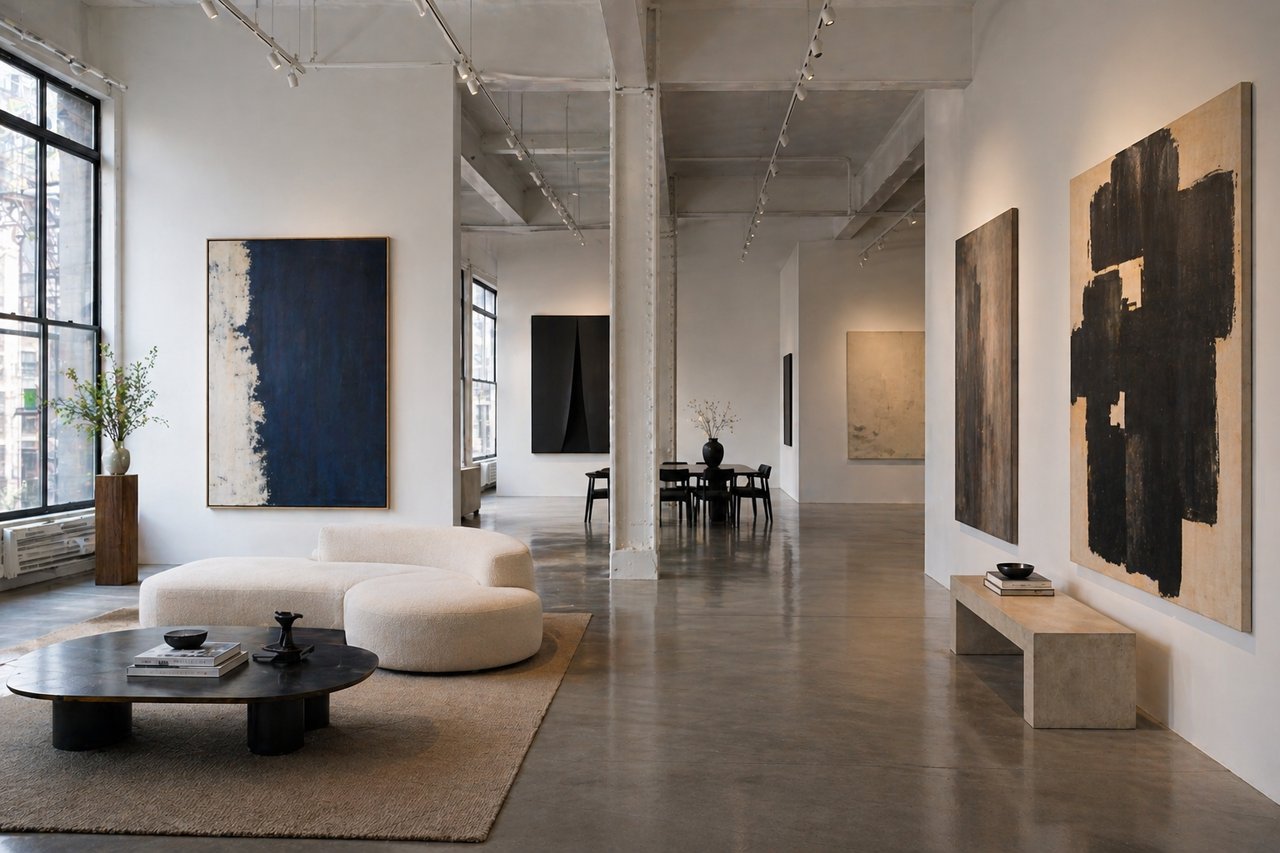
Beyond location, art also plays a role within the home itself. Curated interiors, gallery-style lighting, and thoughtfully displayed collections can elevate a property’s presentation and influence buyer perception. In loft-style apartments, particularly in SoHo and Chelsea, art often becomes a central design element.
Sellers frequently ask whether staging with art improves outcomes. When done thoughtfully, it does. Art can define scale, highlight architectural features, and create an emotional connection with buyers. The key is restraint and alignment with the space. Overly personalized or excessive installations can limit appeal, while curated, neutral selections tend to enhance value.
HOW ART INFLUENCES LONG-TERM DEMAND AND INVESTMENT
Art-driven neighborhoods tend to maintain strong identity, which supports long-term demand. Buyers drawn to these areas are often less price-sensitive and more focused on lifestyle, design, and cultural proximity. This creates a stable and engaged market segment.
Investors often ask whether art-related demand is sustainable. In Manhattan, the answer has consistently been yes. Neighborhoods with established or emerging art scenes continue to attract both domestic and international buyers. Through Daniel Blatman’s NYC real estate expertise, clients can identify properties where cultural context, design, and location align to create lasting value.
In SoHo, Chelsea, and the Lower East Side, art is not simply an influence. It is part of the foundation that shapes how real estate is perceived, valued, and ultimately priced.