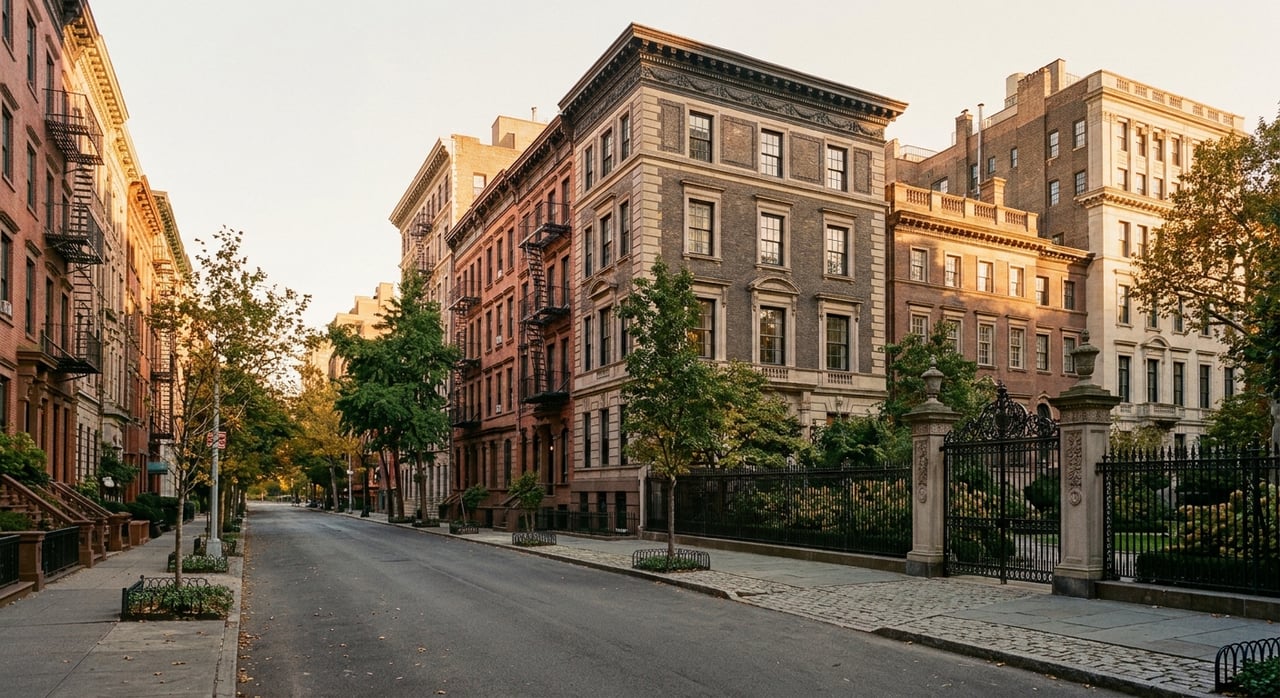
East Village vs. Gramercy Park: Which Manhattan Neighborhood Fits Your Buyer Profile?
Simply put: Should you buy in the East Village or Gramercy Park? It depends on the buyer you are. The East Village tends to fit buyers who want downtown energy, a creative and social street life, and more value for the money, often in walk-ups and smaller condos. Gramercy Park tends to fit buyers who want refined quiet, historic prewar co-ops, and a sense of residential prestige, usually at a premium. The two neighborhoods sit close together on the map but feel worlds apart, so the right call comes down to the pace you want around you and the kind of home you want to own.
The Fast Comparison
If you remember one thing, remember how these two neighborhoods sort buyers. The East Village is the lively, downtown choice, defined by its dining, nightlife, music, and creative history, with a housing stock that leans toward prewar walk-ups, tenement conversions, and a growing number of smaller condos, generally at a lower price point than its genteel neighbor. Gramercy Park is the refined, residential choice, built around a famous private park and defined by elegant prewar co-ops, landmarked blocks, and a quiet that feels rare this far downtown, all of which command a premium. One rewards buyers who want to be in the middle of the action; the other rewards buyers who want to retreat from it.
Who the East Village Fits
The East Village is a natural fit for buyers who want energy, character, and value. It has long been one of the city's most culturally vibrant neighborhoods, with an unmatched density of restaurants, bars, music venues, and independent shops, plus green space at Tompkins Square Park. The housing stock is eclectic: prewar walk-ups and co-ops with genuine character, converted tenements, and a selection of newer or boutique condos for buyers who want modern systems. Fewer buildings here offer full-service amenities like a doorman, which is part of the trade-off and part of why the same budget often reaches more space or a better location than it would in a more buttoned-up neighborhood. For buyers who prioritize lifestyle and value over white-glove service, it is hard to beat.
Who Gramercy Park Fits
Gramercy Park is a strong fit for buyers who want elegance, quiet, and a sense of permanence. Its defining feature is the private park at its center, one of the only private parks in the city, to which only residents of the surrounding buildings hold keys, and that exclusivity sets the tone for the whole neighborhood. The housing stock skews heavily toward stately prewar co-ops with gracious layouts and period detail, many on landmarked blocks, which appeals to buyers who value architecture, stability, and a refined residential setting. The pace is calm and the prestige is real, and both are fully reflected in the price. For buyers who want a dignified, established home close to downtown without downtown's noise, Gramercy delivers it.
Condo or Co-op? The Choice Often Follows the Neighborhood
Because the two neighborhoods carry different housing stock, your choice between them often decides the kind of home you buy. The East Village offers a wider mix, including walk-up co-ops with lower price points and a selection of condos that give investors and future renters more flexibility, though a walk-up means no elevator and often older systems. Gramercy Park is dominated by prewar co-ops, which trade at a lower price per square foot than comparable condos but come with board approval, financial scrutiny, and rules on subletting and financing. If flexibility to rent later matters to you, the East Village's condo inventory is the likelier path; if a classic prewar co-op is the goal, Gramercy is where you will find it. Our guidance for Manhattan buyers walks through how to weigh those options against your plans.
The Due-Diligence Callout: Verify the Building, Not Just the Block
In both neighborhoods, the building's condition and finances matter as much as the address, but the specifics differ. For a prewar co-op in Gramercy, confirm the reserve fund, any planned capital work, the underlying mortgage, and whether a flip tax applies, and review the offering plan and its amendments, which sponsors file with the New York State Attorney General's real estate regulation division. For an older walk-up or converted building in the East Village, pay particular attention to the condition of major systems, the roof, and the facade, and in any landmarked building confirm whether exterior changes require review by the NYC Landmarks Preservation Commission. Buying what you can actually verify is what keeps either neighborhood a sound decision.
How to Decide
Start from your buyer profile rather than the listings. If you want downtown energy, cultural life at your door, and more value for the money, and you are comfortable with a walk-up or a boutique building, the East Village is likely your fit. If you want refined quiet, a historic prewar co-op, and the prestige of one of the city's most exclusive residential settings, Gramercy Park probably fits better. Then pair that instinct with current inventory by browsing active and coming-soon Manhattan listings, which will tell you more about what each neighborhood offers your budget right now than any general rule.
The best neighborhood is the one that fits how you actually live, not the one with the strongest reputation. If you are weighing the East Village against Gramercy Park, see how we approach buying in Manhattan, follow New York real estate market trends to understand where each is priced today, and learn more about Daniel Blatman's NYC real estate expertise and how it helps buyers match the right neighborhood to the right profile.