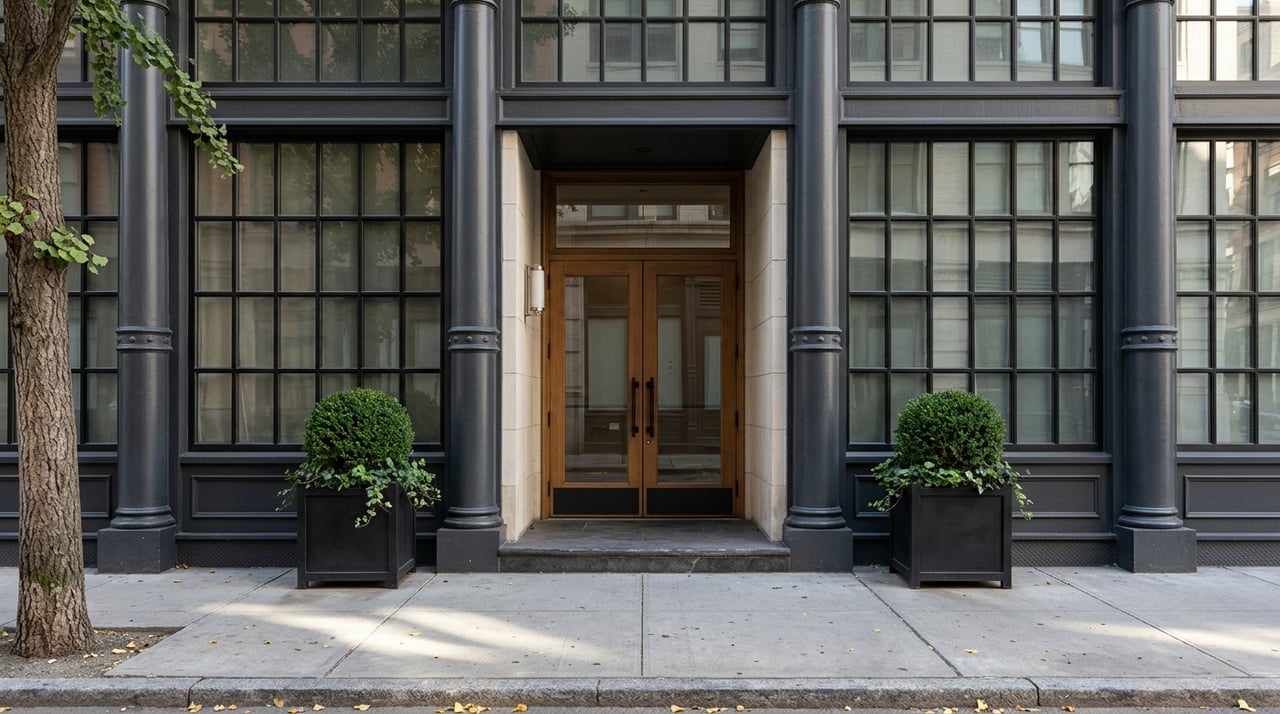
If you are selling a Tribeca loft, you are not just listing square footage. You are presenting a very specific lifestyle, design language, and buyer experience in one of Manhattan’s most expensive neighborhoods. That can feel exciting, but it also raises the stakes, especially in a market where buyers are comparing every detail in real time. This guide will show you how to position your loft for today’s Tribeca buyer, from pricing and prep to photography and launch strategy. Let’s dive in.
Understand what Tribeca buyers are buying
Tribeca remains a premium loft market. StreetEasy’s neighborhood snapshot shows a median sale price of $3.5 million and describes Tribeca as the most expensive neighborhood in New York City, known for cobblestone streets, converted warehouses, and large light-filled lofts.
That premium does not mean buyers will overlook weak positioning. Manhattan resale apartments sold after an average of 108 days on market in Q1 2026, according to Brown Harris Stevens, and buyers paid 97.0% of last asking on average. In other words, buyers are active, but they are disciplined.
For your loft, that means the story has to be sharper than “large space in a great neighborhood.” Today’s buyers are looking closely at condition, layout, ceiling height, floor height, light, and privacy. In Tribeca, they are often buying authenticity and discretion as much as they are buying size.
Lead with what makes a loft feel special
A Tribeca loft should never be marketed like a standard apartment. Buyers in this segment notice the features that create atmosphere the moment they walk in, and often the moment they see the first photo.
Brown Harris Stevens notes that floor height, views, ceiling height, condition, staging, and layout can all change how a home performs, even within the same building. That is especially true in loft inventory, where two homes with similar square footage can feel completely different.
Start by identifying the details that make your home unmistakably Tribeca. These often include:
- Exposed brick
- Timber beams
- Steel windows
- Columns
- Oversized openings
- Expansive great room proportions
- Private elevator or keyed access
- Boutique building scale
The goal is not to mention every feature equally. The goal is to make the buyer feel the scale, texture, light, and privacy that define the best loft living.
Make the layout easy to understand
Lofts can be beautiful, but open space can also confuse buyers if the rooms are not clearly defined. A buyer should be able to understand how daily life works in the apartment within seconds.
That is why staging matters. According to Brown Harris Stevens, staging should be built around the target buyer and the way each room should feel. In a loft, that usually means defining living, dining, and work zones without shrinking the sense of openness.
A strong layout presentation often includes:
- A clear main seating area that shows the scale of the great room
- A dining area placed naturally near the kitchen
- A work-from-home zone that feels intentional, not improvised
- Wide circulation paths that preserve flow
- Furniture proportions that support volume instead of fighting it
If a room has more than one possible use, give buyers the best answer. Empty flexibility is not always persuasive. Clear function usually is.
Prep the loft before buyers see it
In a market like Tribeca, small flaws can become expensive distractions. Buyers at this price point tend to notice deferred maintenance quickly, and they may use it to question value or negotiate harder.
Brown Harris Stevens advises sellers to make sure the apartment is clean, smells good, and is fully maintained before listing. Paint touch-ups, loose hardware, and other cosmetic issues may seem minor, but they can create a sense that the home is not fully dialed in.
Before launch, focus on the basics first:
- Deep clean every room
- Repair loose hardware and visible wear
- Refresh paint where needed
- Check lighting throughout the home
- Make kitchens and bathrooms feel crisp and well-kept
- Remove odors and improve air quality
Kitchens and bathrooms deserve extra attention because buyers continue to weigh them heavily in their decisions. Even in a character-rich loft, these rooms can shape the overall impression of condition.
Highlight original industrial details
Tribeca loft buyers are often drawn to authenticity. That means original industrial elements should be emphasized, not concealed.
If your loft has brick, beams, steel-framed windows, columns, or large warehouse-style openings, treat them like core assets. Clean them carefully, light them well, and make sure the photography gives them room to register.
This is one area where over-renovation or over-staging can backfire. If the apartment’s strongest value lies in its original texture and scale, your presentation should support that identity rather than blur it.
Address historic district issues early
Tribeca includes multiple historic districts, including East, North, South, South Extension, and West. The Landmarks Preservation Commission defines historic districts as areas with architectural and historical significance and a distinct sense of place.
If your building sits within one of these districts, exterior conditions and prior alterations deserve extra attention before launch. The research report notes that LPC designation reports are the basis for regulating future alterations, so sellers should verify that façade, window, or other exterior work is fully resolved.
This matters for positioning because uncertainty can slow a deal. If there is a known exterior issue, unresolved question, or incomplete work tied to the building envelope, buyers may hesitate. A cleaner pre-listing picture creates more confidence.
Price for today, not for memory
Pricing is where many otherwise strong Tribeca listings lose momentum. In a premium market, it is easy to anchor to what you paid, what a nearby seller hopes to get, or what the market looked like at a previous peak. That is rarely the best strategy.
Brown Harris Stevens advises sellers to anchor pricing to same-line and same-building comps, as well as current inventory. Buyers are watching comparable sales and active listings in real time, and inflated pricing tends to struggle when inventory is meaningful.
That matters even more now. StreetEasy reported that the median asking price of new listings in January 2026 was 2.4% below a year earlier, while Brown Harris Stevens reported that Manhattan inventory rose 12% month over month in May 2026. Loft inventory stood at 76 listings with 8.1 months of supply.
The takeaway is simple: your loft can command a premium, but that premium has to be earned. The best launch strategy is often to price tightly enough to create urgency, then let superior light, condition, volume, and design justify the result.
Tell a sharper amenity story
Amenity marketing in Tribeca works best when it is selective. Generic luxury language tends to blur together, especially for experienced buyers.
Recent luxury-market commentary from Brown Harris Stevens suggests affluent buyers are increasingly drawn to privacy, boutique-scale buildings, private elevator access, discreet entrances, storage, and convenience. Those qualities often resonate more than a long list of standard amenities.
So instead of leading with broad claims, focus on the residential experience your loft actually offers. That might include:
- Quiet, low-density living
- Keyed elevator or direct access
- A discreet building presence
- Storage that supports real daily life
- Strong access to downtown transit
- Easy access to neighborhood essentials
This approach feels more credible, and it aligns more closely with how many downtown luxury buyers are evaluating homes today.
Get the photography order right
Buyers often decide whether to schedule a showing based on the first image alone. In a loft sale, the hero image should do more than look polished. It should explain why the home is different.
Brown Harris Stevens notes that even the hero image matters because perception is shaped by floor height, view, and ceiling height. For a Tribeca loft, the strongest opening images usually show the width of the main living area, the window wall, and the best original architectural detail.
A smart image sequence often looks like this:
- Main living room showing scale and light
- A wide shot that captures window exposure
- A detail image that reinforces loft character
- Kitchen and bath images that support condition
- Bedroom or secondary spaces with clear function
- Building or entry moments that support privacy and arrival
The first few photos should make the buyer feel the apartment before they start analyzing it.
Match the launch to the product
A Tribeca loft launch should feel intentional from day one. If the home is priced correctly and visually well positioned, the first wave of attention can shape the entire listing cycle.
That is why prep, pricing, and marketing need to work together. If one piece is off, buyers may pause, wait, or assume there is room for a deeper discount. If the package feels complete, you are more likely to generate early traffic and stronger feedback.
In practical terms, the best-positioned launches usually have:
- Realistic pricing tied to current comps
- A clean, fully prepared apartment
- Defined staging that clarifies how the loft lives
- Photography that leads with volume, light, and detail
- A marketing story built around authenticity, privacy, and location
Why positioning matters more in a premium market
Tribeca is still one of Manhattan’s most desirable loft markets, but prestige alone does not carry a listing. Buyers have options, inventory has risen, and pricing discipline matters.
That is why positioning is not just cosmetic. It is strategy. When your loft is presented with the right pricing, visual story, and buyer lens, you give the market a clear reason to act.
If you are thinking about selling, the right plan starts with an honest read on how your loft compares today, not how it might have competed a few years ago. For a tailored strategy on pricing, prep, and launch in Tribeca, schedule a personalized consultation with the Blatman Team.
FAQs
How should you price a Tribeca loft in today’s market?
- Price it using current same-line and same-building comps, plus active inventory, rather than past peak expectations or aspirational nearby listings.
What features matter most to Tribeca loft buyers?
- Buyers often focus on light, ceiling height, floor height, layout, condition, privacy, and original loft details such as brick, beams, steel windows, and large open living areas.
How should you stage a loft in Tribeca for sale?
- Stage it to define living, dining, and work areas clearly while preserving openness, scale, and the sense of volume that makes loft living appealing.
What should sellers fix before listing a Tribeca loft?
- Sellers should address cleaning, odors, paint touch-ups, loose hardware, lighting issues, and any visible cosmetic wear, with special attention to kitchens and bathrooms.
Why does photography matter so much for a Tribeca loft listing?
- Photography shapes first impressions quickly, and the strongest first images usually show the main living area, window wall, and original architectural details that communicate scale and character.
What should sellers know about historic districts in Tribeca?
- If a loft is in one of Tribeca’s historic districts, sellers should confirm that façade, window, or other exterior issues are fully resolved because LPC-regulated conditions can affect buyer confidence.