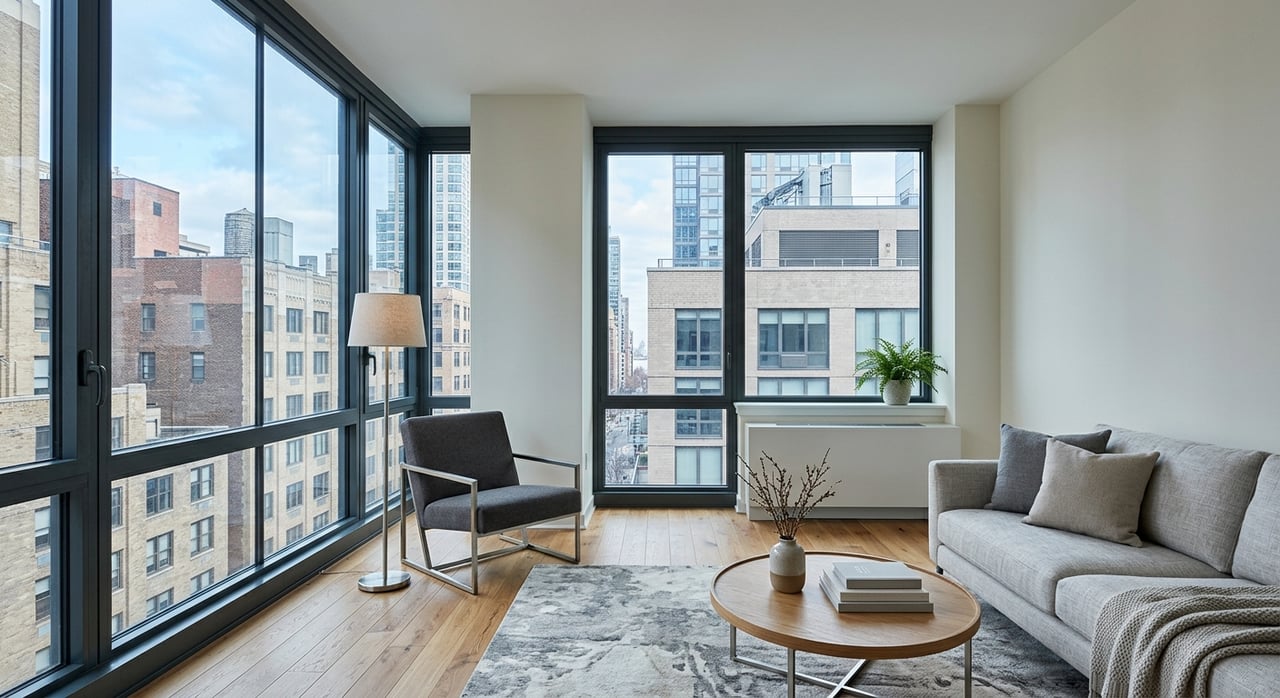
If you price a Chelsea condo like Chelsea is one simple market, you risk missing the buyer pool from day one. That is especially true in a shifting market, where broad neighborhood numbers, condo-only sales, and active competition can point in different directions at the same time. If you are getting ready to sell, this guide will help you make sense of the data, narrow the right comp set, and choose a pricing strategy that matches today’s Chelsea conditions. Let’s dive in.
Chelsea pricing is not one-size-fits-all
Chelsea covers a wide range of building types, locations, and buyer expectations. StreetEasy shows a Chelsea neighborhood median sale of $1.3 million and a 55-day median on market, while PropertyShark’s March 2026 Chelsea report shows a condo-only median sale price of $2.4 million across 29 condo transactions.
Those numbers are not conflicting so much as they are measuring different slices of the market. If you own a condo, especially in a higher-end or newer building, broad neighborhood averages can give helpful context, but they should not be used as your only pricing guide.
At the Manhattan level, the backdrop is balanced but selective. StreetEasy’s March 2026 market report said Manhattan had 7,987 homes for sale, a median asking price of $1.395 million, and a 64-day median on market, while condo contracts were down 2.6% year over year.
At the same time, the top third of homes by asking price saw an 11.8% increase in new contracts. That tells you something important: buyers are still acting, but they are rewarding listings that are positioned well.
Active competition matters in Chelsea
In Chelsea, your competition is not just the last closed sale down the block. Buyers can instantly compare your condo with resale listings, sponsor inventory, and new development units that are live right now.
StreetEasy lists 176 condo or condop buildings in Chelsea, and active sales are concentrated in buildings like One High Line, Chelsea Mercantile, Linea, and The Cortland. If a buyer can compare your home with multiple polished listings in well-known buildings, your pricing has to reflect that reality.
This matters even more because Chelsea is geographically broad. StreetEasy notes the High Line as a major neighborhood draw, which helps explain why west-side and High Line-adjacent condos often compete in a different pricing lane than quieter side-street homes farther east.
Start with the right comp set
The best pricing analysis usually begins much closer to home than sellers expect. In Chelsea, the strongest comps are often in the same building, then the same line or line type, followed by a similar floor band, exposure, and view profile.
That approach matters because unit-level differences can have an outsized effect on value. A higher-floor home with open skyline views may attract a very different buyer than a lower-floor unit with limited light, even if both homes have the same square footage and layout.
If you cannot find enough recent same-building closings, expand carefully. The next-best options are condos with a similar amenity level, similar location, and similar overall buyer appeal.
Why same-building comps carry more weight
Buildings in Chelsea do not all trade at the same pace or at the same price per square foot. Recent listings show how different properties can be marketed around specific strengths, from skyline views at The Vermeer to a full-service amenity package at Yves Chelsea.
That is why a condo in a full-service building should not be priced as if it competes directly with a lightly amenitized boutique building. They may sit in the same neighborhood, but they are not always in the same buyer consideration set.
Closed sales and active listings both matter
Closed sales help anchor value because they show what buyers have actually paid. But active listings matter just as much in a changing market because they show what your buyer will be comparing today.
This is especially important in Chelsea, where visible new-development inventory can shape buyer expectations. If newer product nearby offers stronger amenities, newer finishes, or more polished marketing, your resale price has to account for that competition.
Focus on the pricing levers buyers notice
Pricing a Chelsea condo well is less about plugging numbers into a formula and more about understanding the features that change buyer perception. In many cases, those value drivers are highly specific to the unit.
Line, floor, exposure, and view
These are often the first things buyers react to, whether they say so directly or not. In Chelsea, that can be especially true for homes facing the High Line or offering skyline or open city views.
A higher floor, better light, or stronger view corridor can justify a meaningful premium over an otherwise similar unit. On the other hand, a unit facing a less desirable exposure or offering less privacy may need sharper pricing to compete.
Amenity package and service level
Amenities shape value because they shape daily life and buyer expectations. Recent Chelsea listings show a wide range of combinations, including doorman service, concierge, elevator, gym, pool, hot tub, roof deck, parking, bike room, laundry, and live-in super.
If your building offers a strong amenity package, that should be reflected in your comp set and your price. If it does not, the pricing should stay realistic against nearby buildings that offer more service and more convenience.
Presentation and launch timing
Even in a balanced market, first impressions matter. With Manhattan inventory up year over year and median time on market at 64 days in March 2026, an overpriced listing can lose momentum quickly.
The first wave of buyer attention is often the strongest. If your condo comes out priced well, it is more likely to capture serious early traffic instead of chasing the market with later reductions.
Days on market can tell you a lot
Recent Chelsea listings show a wide spread in marketing time. StreetEasy examples ranged from 39 days at Chelsea Mercantile #3K to 135 days at The Vermeer #9T, with other listings landing in between at 48, 52, and 115 days.
That kind of spread is useful because it suggests buyers are making clear distinctions. Price, condition, presentation, and competition are all affecting how quickly listings move.
For sellers, the lesson is simple. A condo that feels well-priced for its building, line, and feature set has a better chance of selling in the window when buyer interest is freshest.
How to price strategically in a shifting market
If you are selling in Chelsea right now, the goal is not to find one magic number. The goal is to choose a price that reflects where your condo fits within its exact competitive set.
A practical pricing process usually looks like this:
- Review recent same-building and same-line sales first
- Compare your unit’s floor, exposure, light, and views against those comps
- Evaluate your building’s amenity tier and service level
- Study active resale and new-development competition buyers can see today
- Factor in recent days on market to understand buyer sensitivity
- Set a launch price that leaves room for attention, not confusion
That last point matters. In a selective market, buyers tend to respond faster to listings that feel clear and credible from the start.
Why spring momentum still matters
Seasonality still plays a role, even when the market is not moving in a straight line. StreetEasy’s March 2026 report showed contract activity improving as the weather warmed, despite the broader market staying balanced.
That means timing can help, but it does not replace pricing discipline. A stronger seasonal window can bring more eyes to your listing, but buyers still compare value carefully.
Smart pricing is local and specific
The strongest pricing strategy for a Chelsea condo is usually built from the ground up. You start with the building, the line, the floor, the views, the amenity package, and the live competition buyers are seeing right now.
That is how you avoid the two biggest pricing mistakes in a shifting market: aiming too high based on broad averages, or aiming too low without recognizing what makes your unit stand out. In Chelsea, the right number is rarely generic. It is specific, strategic, and tied to how buyers are actually shopping.
If you want a pricing plan that reflects your building, your competition, and your timing, the Blatman Team can help you evaluate your Chelsea condo with a clear, data-informed strategy.
FAQs
How should you price a Chelsea condo using neighborhood data?
- Use neighborhood data for context, but rely more heavily on condo-specific sales, same-building comps, and current active competition.
What comps matter most when pricing a Chelsea condo?
- The best comps are usually in the same building, then the same line or line type, with similar floor level, exposure, view, and amenity tier.
Why do active listings matter when pricing a Chelsea condo?
- Active listings show what buyers can compare in real time, including resale and new-development inventory that can influence your condo’s position.
How do views and exposure affect Chelsea condo pricing?
- In Chelsea, better light, open city views, skyline views, and stronger exposure can support a price premium compared with otherwise similar units.
How much do amenities affect a Chelsea condo list price?
- Amenities can influence buyer demand and value, especially when comparing full-service buildings with boutique buildings that offer fewer services.
Why is days on market important for Chelsea condo pricing?
- Recent Chelsea listings have ranged widely in time on market, which suggests buyers are reacting closely to price, condition, and competition.