INTERIOR TRENDS BUYERS WANT IN 2026
WHY DESIGN IS DRIVING VALUE IN TODAY’S MARKET
In Manhattan’s evolving real estate landscape, interior design has become a primary driver of buyer interest and perceived value. In neighborhoods such as Tribeca, SoHo, and Hudson Yards, buyers are no longer focused solely on finishes or square footage. They are evaluating how a space feels, functions, and reflects a modern lifestyle.
A common question is whether design trends meaningfully impact resale value. In 2026, the answer is yes. Properties that align with current design preferences tend to photograph better, attract more qualified buyers, and command stronger pricing. Reviewing listings through Daniel Blatman’s Manhattan property search shows a clear shift toward interiors that balance sophistication with livability.
WARM MINIMALISM: A SHIFT FROM COOL TO INVITING
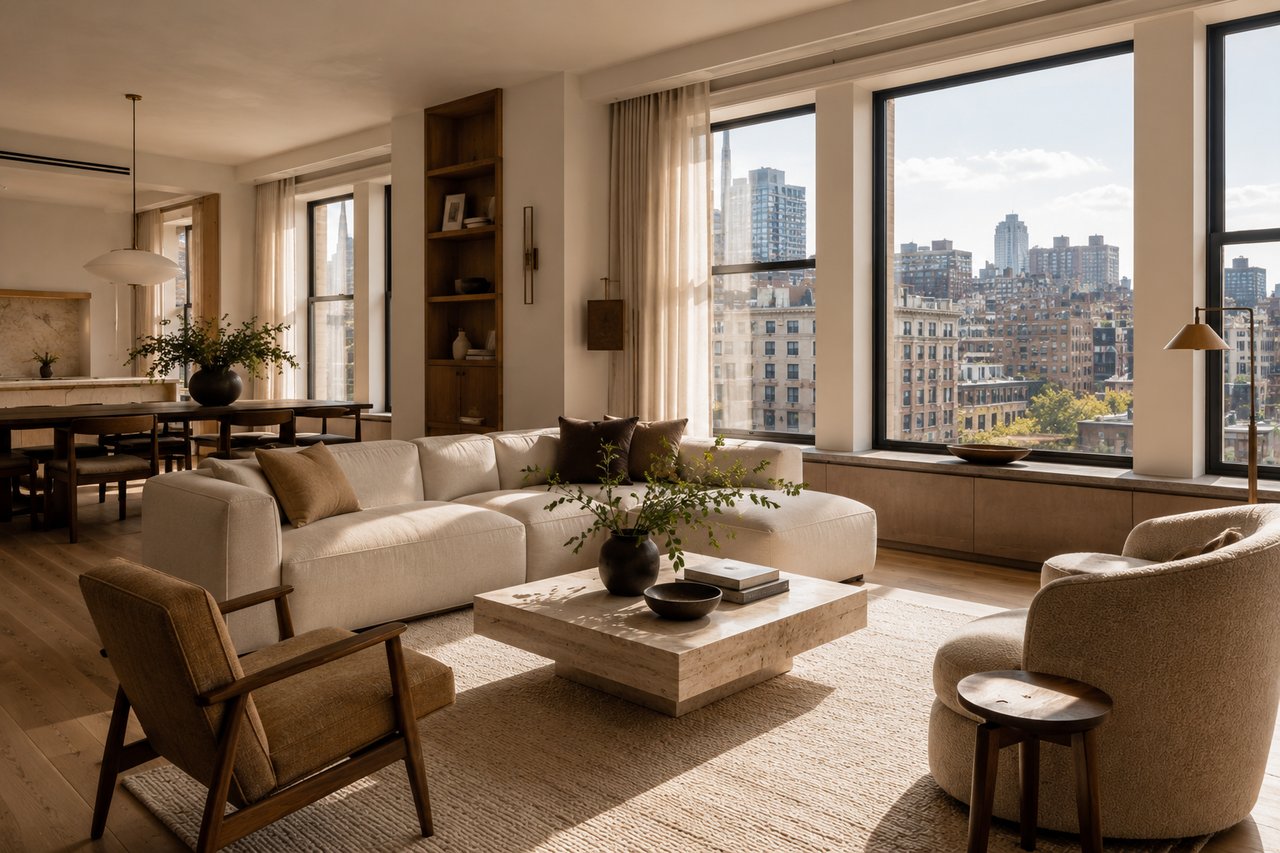
Minimalism remains influential, but its tone has evolved. The stark, monochromatic interiors of previous years are being replaced by warmer palettes and softer contrasts. Warm minimalism emphasizes neutral tones, organic shapes, and subtle layering that create a more inviting environment.
Buyers often ask why this shift is happening. The answer lies in lifestyle. Homes are now expected to support both function and comfort, making warmth and texture essential. In Tribeca and Hudson Yards, newer developments are increasingly incorporating these elements to meet buyer expectations while maintaining a clean, modern aesthetic.
NATURAL MATERIALS AND AUTHENTIC FINISHES
Materials play a central role in defining 2026 interiors. Wood, stone, plaster, and linen are being used to create depth and authenticity. These elements not only enhance visual appeal but also signal quality and longevity.
A frequent question is whether natural materials justify higher pricing. In many cases, they do. Buyers associate these finishes with craftsmanship and durability, which contributes to perceived value. Renovation standards and material compliance can be explored through the New York City Department of Buildings, particularly when upgrading interiors in existing properties.
SOHO: PERSONALIZED LOFT LIVING
SoHo continues to lead in design-forward interiors, particularly within loft-style residences. High ceilings, open layouts, and historic details provide a foundation for highly personalized spaces. In 2026, buyers are embracing interiors that feel curated rather than staged.
A common question is whether personalization limits resale appeal. When done thoughtfully, it enhances it. The key is balance. Maintaining architectural integrity while introducing unique elements creates a distinctive yet broadly appealing environment. Many of these properties are located within protected districts overseen by the New York City Landmarks Preservation Commission, reinforcing their long-term design value.
TRIBECA: LAYERED LUXURY AND SUBTLE SOPHISTICATION
Tribeca interiors reflect a refined approach to luxury. Rather than overt opulence, buyers are drawn to layered textures, muted palettes, and carefully selected materials. Large-scale layouts allow for a mix of finishes that create depth without overwhelming the space.
Buyers often ask what defines luxury in today’s market. In Tribeca, it is restraint. Quality materials, thoughtful proportions, and cohesive design create a sense of quiet sophistication. Current offerings on Daniel Blatman’s Tribeca listings highlight how these principles translate into strong market performance.
HUDSON YARDS: MODERN INTEGRATION AND SMART DESIGN
Hudson Yards represents the most contemporary expression of 2026 interior trends. New developments in this area combine warm minimalism with advanced technology, creating spaces that are both aesthetically refined and highly functional.
A frequent question is how technology fits into design trends. In Hudson Yards, integration is seamless. Smart home systems, hidden storage, and adaptable layouts enhance usability without disrupting the visual experience. Planning and development frameworks can be reviewed through the NYC Department of City Planning, which outlines how these modern buildings are designed.
HOW TO ALIGN WITH TRENDS WITHOUT OVERDESIGNING
For sellers and investors, the challenge is aligning with trends without creating a space that feels overly specific or short-lived. The most effective approach is to focus on foundational elements such as materials, color palettes, and layout, while keeping finishes adaptable.
Buyers often ask how to future-proof an interior. The answer lies in simplicity and quality. Neutral bases, natural materials, and flexible design allow a property to evolve with changing preferences while maintaining its core appeal.
Through Daniel Blatman’s NYC real estate expertise, clients can identify opportunities where design trends and long-term value intersect. In 2026, the most successful interiors are not defined by excess, but by intention, balance, and a clear understanding of how people want to live in Manhattan today.