Thinking about swapping windows, adding a mini-split, or putting solar on your roof in Gramercy Park? The rules can feel murky when your building sits inside a historic district. You want a smooth project that protects your home’s character and avoids delays.
This guide breaks down what the Landmarks Preservation Commission (LPC) looks for, what typically gets approved, and how to plan your timeline. You will know where to start, which approvals you may need, and how to set realistic expectations. Let’s dive in.
What LPC regulates in Gramercy Park
If exterior work is visible from a public way, expect LPC review. That includes views from the street, sidewalk, or park. Interior-only work that is not visible from the street usually does not require LPC approval, though you may still need Department of Buildings (DOB) permits for structural or systems work.
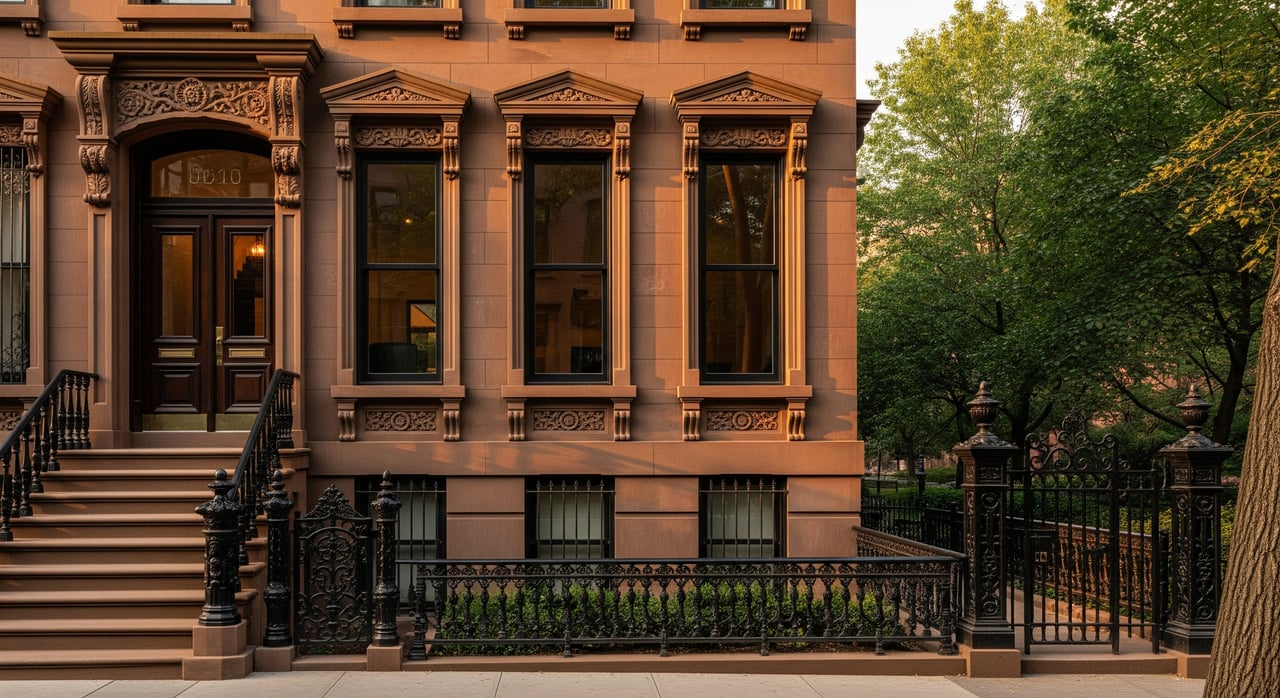
Gramercy Park’s historic district is known for cohesive prewar architecture. Townhouses, brownstones, and early apartment buildings have defining features like stoops, masonry details, cornices, and wood double-hung windows. Because the visual character is strong, even modest changes can trigger review.
Projects that trigger review
- Window and door replacements, or changes to entrances and stoops.
- Visible rooftop equipment, bulkheads, exhaust stacks, and condensers.
- Through-wall penetrations for HVAC lines or vents on primary elevations.
- Solar panels, satellite dishes, and antennas if visible from the street or park.
- Masonry cleaning, repointing, and repairs; painting unpainted masonry.
- Storefront changes on mixed-use buildings, including signage.
Approval types you will hear
- Certificate of No Effect (CNE): For work that does not change the exterior appearance as seen from a public way. Many non-visible rooftop or interior scopes fall here.
- Certificate of Appropriateness (COA): For visible changes that affect historic character. Requires drawings and LPC staff or commission review.
- Emergency Certificates: For urgent stabilization to prevent danger or collapse.
- Staff vs. Commission: Routine or minor items can be approved at staff level. More visible or complex proposals may go to a public hearing before the full commission.
What gets approved most often
The LPC favors repair over replacement, in-kind restoration, and reversible solutions. Modern materials can work if they match historic appearance and do not damage significant fabric.
Windows and doors
- Repair first. If original windows are repairable, LPC prefers that approach.
- If replacing, match the historic look: sightlines, proportions, muntin profiles, operation type, and finish.
- Wood or painted aluminum-clad wood are common choices when profiles are accurate. Full-frame replacement can be acceptable if frames are deteriorated.
- Doors should respect the original design, material, glazing pattern, and hardware style when the entry is a defining feature.
- Discreet storm windows can be allowed if color, frame, and glazing minimize visual impact.
Mechanical and rooftop equipment
- Visible HVAC units, bulkheads, and stacks trigger review. LPC often requires setbacks, screening, or paint colors that minimize visibility.
- Mansard or pitched roofs have a higher bar. Visible rooftop additions usually need a COA with careful massing.
- Through-wall penetrations must protect masonry and are reviewed if visible. Alternatives like interior package units or less-visible condenser placements are often encouraged.
Solar, satellite, and antennas
- Solar panels are more approvable when set flat on rear or setback roof areas and use low-profile, dark components that blend with roofing.
- Small satellite dishes may be permitted out of public view, such as rear yards or set back below the parapet. Large visible antennas face higher scrutiny.
Masonry, cornices, stoops, storefronts
- Use matching mortar in composition and tooling for repointing. Patch or repair stone and brick with appropriate methods.
- Repair decorative trim and cornices whenever feasible. In-kind replacement with matching profiles is commonly approved.
- Preserve stoops and ironwork. Replacement railings should match historic profiles on primary facades.
- Storefront updates must respect opening sizes, transoms, signage bands, and traditional materials on historic buildings.
What often faces pushback
- Removing character-defining features like stoops or cornices.
- Visible, modern rooftop additions or bulky new bulkheads.
- Painting previously unpainted masonry without strong justification.
- Oversized, contemporary storefront glazing that conflicts with historic rhythms.
How to start and plan
A little upfront planning protects your timeline and budget.
Step-by-step roadmap
Confirm landmark status. Check if your property is individually designated or within the Gramercy Park Historic District and review the designation report for defining features.
Gather documents. Collect past LPC approvals, recent DOB filings, building plans, and clear photos of every elevation from the public way.
Build the team. Engage an architect or licensed professional experienced with LPC work. For complex scopes, consider a preservation consultant. Bring in a contractor familiar with historic materials and loop in your co-op or condo board early.
Pre-application touchpoint. For visible or complex work, an informal discussion with LPC staff can help calibrate the design before you submit.
Prepare the submission. Produce measured drawings, material mockups, and detailed photographs showing existing and proposed conditions.
File with LPC. Submit for a CNE or COA as appropriate. Staff may request revisions. Some COAs require a public hearing.
After LPC approval, obtain DOB permits and any other required agency sign-offs before construction.
Timeline and expectations
- Pre-application research and team assembly: about 2 to 6 weeks.
- Staff pre-application meeting: typically 2 to 6 weeks to schedule.
- CNE review: often 2 to 6 weeks, depending on completeness and complexity.
- COA review: staff-level cases can take several weeks to a few months. Public hearings can extend total review time to 2 to 4 months or more.
- DOB permitting after LPC approval: allow several weeks to a few months, depending on scope.
- Construction: varies by scope. Build in contingency for hidden conditions.
As a planning rule for visible exterior work, allow at least 3 to 6 months from design start to permits. Larger rooftop or facade changes can take 6 to 12 months or longer.
Practical tips for Gramercy owners
- Start board approvals early. Co-ops and condos have their own procedures that run parallel to LPC and DOB.
- Use precedents. Review recent LPC decisions on similar buildings and blocks to understand what has been approved.
- Document well. Provide clear, dated photos, measured drawings, and product data. Good documentation speeds staff decisions.
- Expect mockups. Window or material mockups may be required on site before final approval.
- Protect historic fabric. Test and match mortar for repointing. Avoid methods or materials that can harm masonry or decorative trim.
- Budget contingencies. Historic buildings often hide surprises. Add time and cost reserves.
- Call a specialist for complex scopes. Visible rooftop additions or ornamental restorations benefit from a preservation architect or landmarks consultant.
- For emergencies, notify LPC and DOB promptly. Emergency certificates can authorize stabilization work.
Quick visibility checklist
Use this simple test before you design:
- Can it be seen from the street, sidewalk, or park? If yes, assume LPC review.
- Is it on a primary facade or roof slope visible from the public way? Expect higher scrutiny.
- Can you set it back, screen it, or match historic profiles? Those strategies improve approval odds.
Work with a local guide
You can navigate landmarks approvals with confidence by aligning your design to LPC priorities and building a complete, well-documented submission. The right team, a realistic timeline, and early communication with your board can turn a complex process into a manageable one.
If you are planning a renovation in Gramercy Park, connect with the Blatman Team to map your approvals path and timeline. We will help you coordinate the right professionals and keep your project moving.
FAQs
Do Gramercy Park window replacements need LPC approval?
- Yes if visible from the public way. LPC generally prefers repair first. If replacing, match historic sightlines, profiles, operation, and finish for the best chance of approval.
How long does a Certificate of Appropriateness take in Manhattan?
- Staff-level COAs can take several weeks to a few months. Cases that require a public hearing often take 2 to 4 months or longer, depending on revisions and scheduling.
Are solar panels allowed on Gramercy roofs?
- Often yes when panels are not visible from the street. Flat, low-profile, dark panels on rear or setback roof areas are more likely to be approved than panels visible from primary facades.
Do interior renovations in a Gramercy co-op need LPC approval?
- Interior-only work that is not visible from the street typically does not require LPC approval, though DOB permits may still be necessary for structural or systems work.
Can I add a mini-split condenser on my facade?
- Visible mechanical equipment triggers LPC review. LPC often requires setback placement, screening, or alternative locations to minimize visibility and protect historic fabric.