Neighborhood Guide: What to Know Before Moving to Brooklyn
The quick read: What should you know before moving to Brooklyn? More than anywhere, the neighborhood is the decision, because Brooklyn is a patchwork of distinct communities with very different price points, housing stock, and daily rhythms. Beyond that, plan for a market that runs on brownstones, condos, and co-ops rather than one type, an attorney-driven buying process, and closing costs that surprise newcomers, so the people who relocate well match the neighborhood to their life and understand how the market works before they arrive.
Brooklyn Is a Collection of Neighborhoods
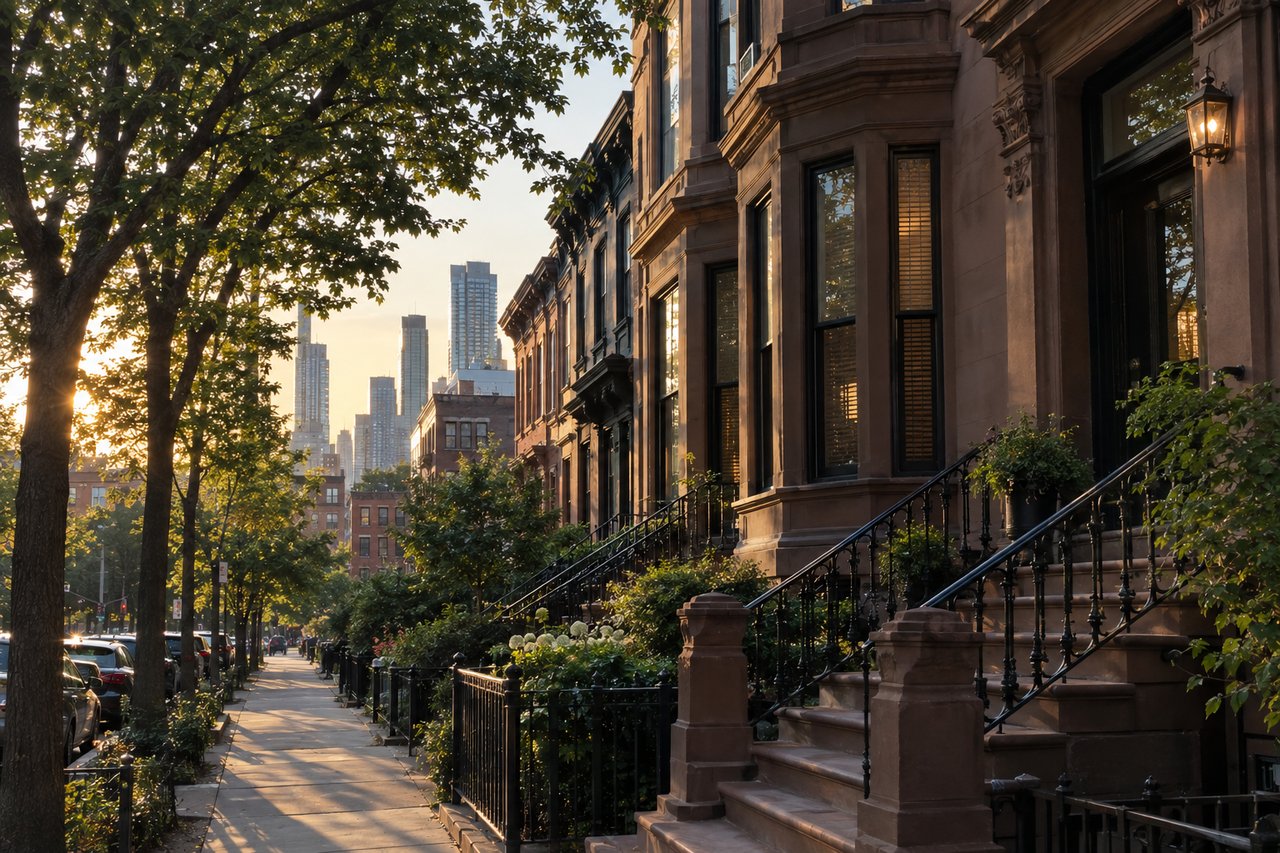
The first thing to understand is that Brooklyn does not feel like one place. A quiet brownstone block in Cobble Hill lives very differently from a high-rise in Downtown Brooklyn, a converted loft in DUMBO, or a rowhouse in Bedford-Stuyvesant. Each neighborhood has its own character, price level, and pace, so choosing the right one matters more than almost any other decision. Before you fixate on a specific home, spend time understanding which area fits how you actually want to live, since that fit shapes your commute, your budget, and your everyday experience.
Best Brooklyn Neighborhoods by Buyer Type
There is no single best neighborhood, only the one that fits your priorities. A few broad profiles to orient a search:
Brownstone and family-oriented: Park Slope, Cobble Hill, Carroll Gardens, and Brooklyn Heights offer historic rowhouses, top schools, and leafy residential calm.
Creative and energetic: Williamsburg and Greenpoint pair waterfront views and nightlife with newer condos and converted lofts.
Historic and value-minded: Bedford-Stuyvesant, Crown Heights, and Clinton Hill offer landmarked brownstones and more home per dollar in neighborhoods on the rise.
New-construction and connected: Downtown Brooklyn and DUMBO offer amenity-rich towers, transit access, and, in DUMBO, waterfront loft living.
Reading up on a few neighborhoods before you tour is the fastest way to narrow a relocation search to a shortlist.
Renting First vs Buying When You Move
Many people relocating to Brooklyn rent for a period before buying, and that is often a smart strategy rather than a delay. Renting first lets you test neighborhoods in person, learn your true commute into Manhattan or around the borough, and understand what your budget commands before committing. If you already know the area and your neighborhood, buying sooner can make sense, but for most newcomers a short rental is a way to buy a better home later rather than a rushed one now.
How Buildings Work Here: Houses, Condos, and Co-ops
Brooklyn's housing is more varied than Manhattan's, which changes your due diligence. The borough has a large stock of townhouses and multi-family houses alongside condominiums and cooperatives. A house gives you the most control and no board, but the most maintenance, so budget for a thorough inspection and confirm the certificate of occupancy and any open permits through the NYC Department of Buildings. A condo conveys real property with an easier approval, while a co-op means board approval and financial scrutiny. Reviewing how a building operates, including the rules in the offering plan that sponsors file with the New York State Attorney General's real estate regulation division, is essential before you commit.
The Money: Costs of Living and Closing
Budgeting for Brooklyn means looking past the price to the full cost of getting in and staying in:
Closing taxes: buyers pay an additional tax commonly called the mansion tax on purchases of one million dollars or more, which the New York State Department of Taxation and Finance explains.
Carrying costs: plan for common charges plus property taxes in a condo, maintenance in a co-op, or the full upkeep of a house, which vary widely.
Cash reserves: co-ops often cap financing and expect post-closing liquidity, and a house purchase demands a reserve for repairs.
Modeling these before you move is what keeps the real cost of Brooklyn from arriving as a surprise at closing.
Common Mistakes Newcomers Make
Watch for these, each easy to avoid with a little preparation:
Choosing a home before choosing a neighborhood
Underestimating the upkeep and inspection needs of a townhouse
Budgeting for the price alone and overlooking closing costs and carrying charges
Buying in a rush during a relocation rather than renting first to learn the borough
Moving to Brooklyn is far smoother when you lead with the neighborhood and understand how the market works before you arrive. When you are ready, our guidance for buyers walks through the process, you can browse active and coming-soon listings to see what your budget commands, follow Manhattan real estate market trends, and learn more about Daniel Blatman's NYC real estate expertise.