Park Slope vs. Clinton Hill: Which Brooklyn Neighborhood Fits Your Buyer Profile?
Should you buy in Park Slope or Clinton Hill? It depends on the buyer you are. Park Slope tends to fit established families and buyers who want park access, top-rated schools, and a deep supply of classic brownstones, usually at a premium. Clinton Hill tends to fit first-time buyers, younger households, and anyone who wants brownstone character with more new-construction condo options and, often, more value for the money. Neither is better in the abstract. The right call comes down to your stage of life, your budget, and how you weigh space against flexibility.
The Fast Comparison
If you only remember one thing, remember how these two neighborhoods sort buyers. Park Slope is the more established, family-anchored choice built around Prospect Park, with a housing stock dominated by prewar brownstones and co-ops and a premium that reflects its schools and amenities. Clinton Hill is the more eclectic, evolving choice, with a mix of prewar homes and newer condos, a younger creative energy anchored by Pratt Institute, and pricing that frequently stretches a budget further. One rewards buyers who want a settled, amenity-rich base; the other rewards buyers who want character and upside without quite the same entry cost.
Who Park Slope Fits
Park Slope is a classic fit for families and long-term settlers. Its defining feature is Prospect Park, and the blocks closest to it command the most attention, offering green space, playgrounds, and weekend life on your doorstep. The neighborhood is known for its highly regarded public schools, which draws families willing to pay for the zone, so if education is central to your decision it belongs near the top of your list. You can confirm current zoning and options through the NYC Department of Education school search, since zones and admissions can change and should be verified rather than assumed.
The housing stock leans toward prewar brownstones, townhouses, and co-ops, with grand proportions and period detail, which is part of the appeal and part of the price. Buyers here tend to prioritize space, stability, and a walkable, established commercial life along Seventh and Fifth Avenues. The trade-off is cost: Park Slope is one of Brooklyn's premium neighborhoods, so your budget generally buys less square footage than it would a bit further east.
Who Clinton Hill Fits
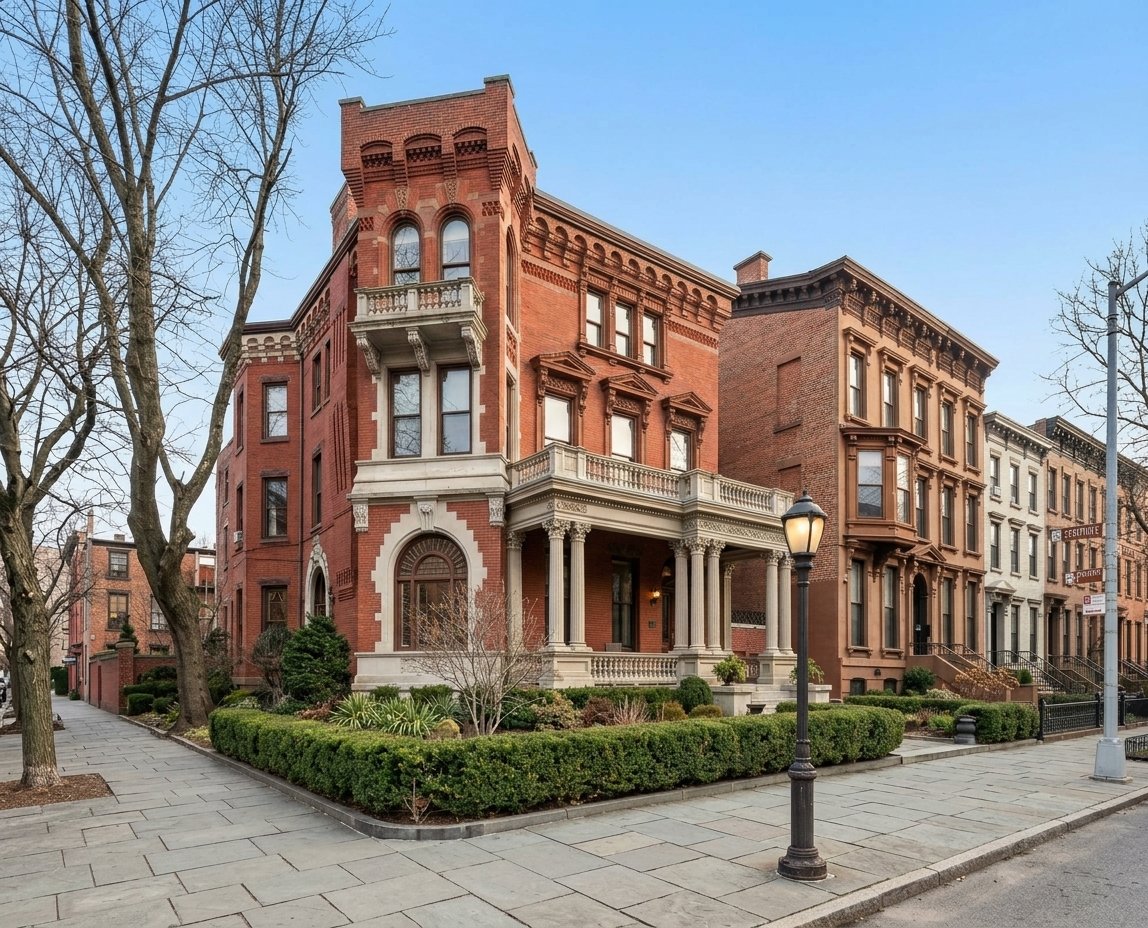
Clinton Hill is a strong fit for first-time buyers, younger professionals, and anyone who wants brownstone charm with more flexibility. The streets are tree-lined and architecturally rich, with landmarked blocks of historic homes, but the inventory is more varied: alongside prewar co-ops and townhouses you will find a meaningful supply of newer condominiums, which appeals to buyers who want modern systems, in-unit laundry, and simpler purchase rules. The presence of Pratt Institute lends the area a creative, energetic character, and its proximity to Fort Greene and the growing Brooklyn Navy Yard adds to the sense of a neighborhood still gaining momentum.
For many buyers, the practical draw is value. Clinton Hill often lets a given budget reach more space or a more updated home than the same money would in Park Slope, while still delivering genuine Brooklyn character. The trade-off is that it is less uniformly established than Park Slope, so blocks and prices can vary more, which makes on-the-ground guidance especially useful.
Condo or Co-op? The Choice Often Follows the Neighborhood
Because the two neighborhoods carry different housing stock, the condo-versus-co-op decision often tracks your choice between them. Park Slope's prewar supply skews heavily toward co-ops, which trade at a lower price per square foot but come with board approval, financial scrutiny, and rules on subletting and financing. Clinton Hill's larger share of newer condos offers more flexibility for investors, future renters, and buyers who want a simpler closing, though usually at a higher price per foot. If flexibility to rent the home later matters to you, that alone may tilt the decision toward Clinton Hill's condo inventory. Our guidance for Brooklyn buyers walks through how to weigh that structure against your plans rather than treating one as universally better.
The Due-Diligence Callout: Verify the Building Behind the Block
In both neighborhoods, the building's finances matter as much as the block's reputation, so this is where careful buyers protect themselves. For any co-op or condo, have your attorney review the reserve fund, recent and planned capital work, and any assessments, since an attractive monthly charge in a building deferring maintenance often signals a future special assessment. In a co-op, confirm the underlying mortgage, whether a flip tax applies, and the board's financing and sublet rules before you commit. The documents that actually govern a building, the offering plan and its amendments, are filed by sponsors with the New York State Attorney General's real estate regulation division, and reviewing them is how you confirm a building fits your plans before you invest time in it.
How to Decide
Start from your buyer profile rather than the listings. If you want park access, acclaimed schools, and a settled family base, and your budget supports the premium, Park Slope is likely your fit. If you want brownstone character with more condo flexibility and better value for the money, and you are comfortable with a neighborhood still finding its ceiling, Clinton Hill probably fits better. Then pair that instinct with current inventory by browsing active and coming-soon Brooklyn listings, which will tell you more about what each neighborhood offers your budget right now than any general rule.
The best neighborhood is the one that fits how you actually live, not the one with the strongest reputation. If you are weighing Park Slope against Clinton Hill, see how we approach buying in Brooklyn, follow New York real estate market trends to understand where each is priced today, and learn more about Daniel Blatman's NYC real estate expertise and how it helps buyers match the right neighborhood to the right profile.