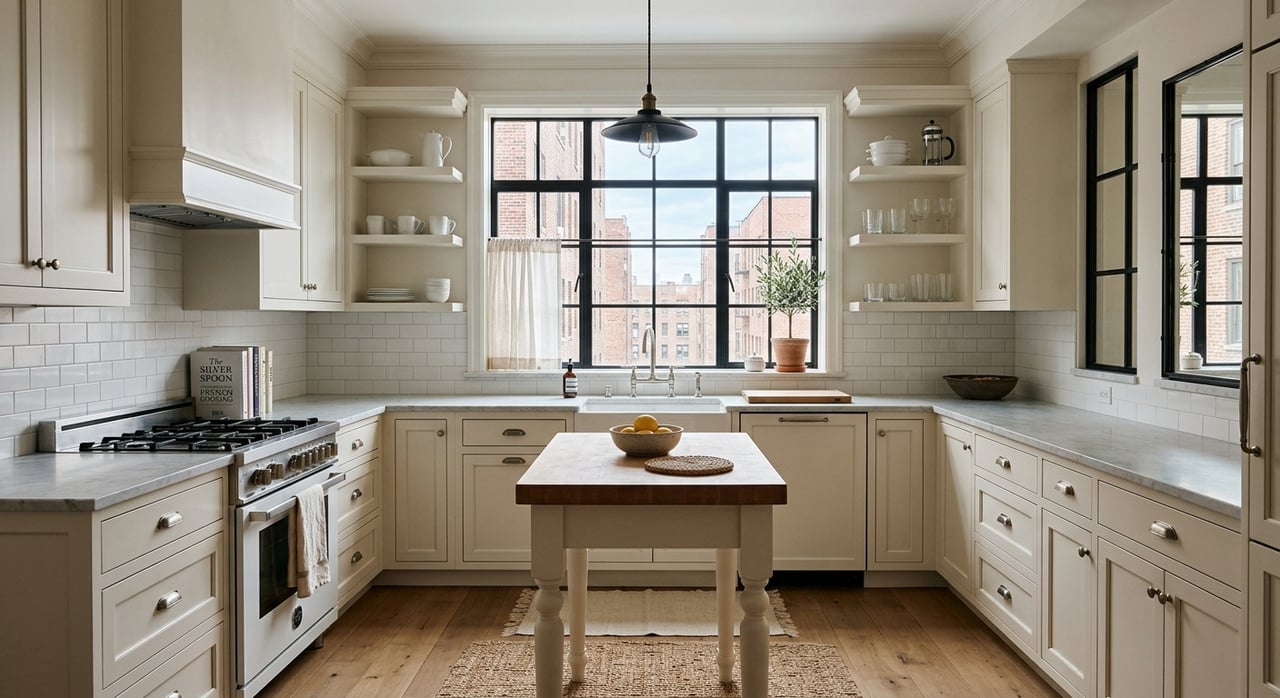
Thinking about selling your Upper West Side co-op? You are not just selling an apartment. You are selling a full package that includes the home itself, the building’s rules, the monthly maintenance story, and a buyer’s ability to pass board review. If you understand those moving parts early, you can price more accurately, avoid preventable delays, and put yourself in a stronger position from listing through closing. Let’s dive in.
Understand the Upper West Side co-op market
The Upper West Side is a prewar-heavy co-op market, and that matters when you sell. Many homes are in larger prewar buildings, with pricing often stronger closer to Central Park and Riverside Drive. Smaller and older co-ops can also appeal to buyers looking for relative value.
Current neighborhood data points to a median sale price of about $1.2 million, median days on market of 52 days, and a median sale at 97.7% of last asking price in StreetEasy’s October 2025 market report. The practical takeaway is simple: pricing and presentation matter early. Buyers still have room to negotiate when a listing feels off on value or underprepared.
In a New York co-op sale, the buyer is purchasing shares in a corporation and receiving a proprietary lease. That means your sale is shaped not only by the apartment, but also by the building’s bylaws, financial requirements, and review process. Monthly maintenance is also a big part of the value conversation because it often covers building operations, property taxes, and sometimes an underlying mortgage.
Step 1: Gather building rules first
Before you talk pricing or photography, get clear on your building’s current requirements. Every co-op has its own package, approval standards, and fee structure, and those details can directly affect your buyer pool.
Ask for the board application package before listing. Review down payment minimums, sublet rules, pied-à-terre policies, flip tax, application fees, and any move-out charges. This gives you a more realistic picture of who can buy your apartment and what costs may come up later.
This step also helps prevent surprises after you accept an offer. A deal can look strong on paper but become difficult if the buyer’s intended use or financial profile does not fit the building’s rules.
Step 2: Price from the right comps
On the Upper West Side, broad neighborhood averages only get you so far. The most useful pricing comps are usually from the same building or the same line, then adjusted for condition, maintenance, and layout differences.
That is especially important in prewar co-ops, where two homes with similar square footage can feel very different to buyers. A higher maintenance charge, an older renovation, or a stricter building policy can affect value just as much as finishes or floor level.
Because recent data shows sellers are not always getting full asking price, an aspirational list price can cost you time and leverage. In this market, early pricing accuracy can help drive stronger interest and better negotiating position.
Step 3: Prep the apartment buyers will remember
In many Upper West Side co-ops, the best pre-listing work is cosmetic. You usually do not need a long renovation to improve your result. Instead, focus on visible repairs, refreshed finishes, and a cleaner presentation.
For prewar layouts, buyers respond well when the apartment feels bright, spacious, and easy to understand. That often means decluttering hard, opening up closets, simplifying decor, and using furniture that shows natural circulation instead of crowding rooms.
StreetEasy’s NYC staging guidance also points to a few priorities: maximize light, use scaled furniture, showcase storage, and remove personal items so the home reads as a blank canvas. NAR’s 2025 staging research found that 29% of agents said staging increased dollar value by 1% to 10%, while 49% said staging reduced time on market.
Focus on the rooms that matter most
If you are deciding where to spend time and money, prioritize the rooms buyers notice first. Staging research points most often to these spaces:
- Living room
- Primary bedroom
- Dining room
- Kitchen
On the Upper West Side, natural light and flow are especially important in listing photos and in-person showings. Light window treatments, clear surfaces, and a layout that makes rooms feel usable can make a meaningful difference.
Step 4: Launch with strong presentation
Once the apartment is ready, your listing needs to show clearly and honestly. Buyers on the Upper West Side often compare multiple co-ops with similar bones, so details like light, storage, room scale, and maintenance need to be communicated well from the start.
This is where tailored marketing matters. Strong visuals, accurate positioning, and a clear explanation of the apartment’s value can help attract buyers who understand both the home and the building.
If your timing is flexible, spring and fall are generally the strongest seasons for showings in NYC. Weekend open houses are often prime opportunities, but turnout still depends heavily on whether the home is priced well and presented well.
Step 5: Keep showings simple and flexible
The goal during showings is to make the apartment feel easy to live in and easy to imagine. On showing days, keep the home bright, quiet, uncluttered, and ready for short-notice visits whenever possible.
This matters because buyers often make quick emotional judgments in co-ops. If the apartment feels cramped, dark, or overly personalized, they may move on before they ever study the floor plan or financials.
For prewar homes in particular, a clean and calm setup helps buyers focus on what makes the apartment special. That could be ceiling height, layout, storage, architectural detail, or natural light.
Step 6: Evaluate offers beyond price
In a co-op sale, the highest offer is not always the best offer. A strong deal is one that is likely to survive board review and reach the closing table.
When you review offers, look closely at the buyer’s financial strength, planned occupancy, and fit with building rules. Common screening points include reserves, debt-to-income strength, owner-occupant status, and whether the buyer’s intended use aligns with the building’s policies.
This is one of the most important differences between selling a co-op and selling other property types. A signed contract does not end the risk, because the buyer still needs board approval.
What a strong co-op buyer usually has
While each building is different, many strong buyer files include:
- Signed tax returns and W-2s
- Reference letters
- Pay stubs and proof of employment
- Financial statements
- Loan application and commitment letter, if financed
- Recognition agreements, if required
Since board packages are not standardized, it helps to know your building’s expectations before offers come in. That way, you can judge not just enthusiasm, but actual likelihood of approval.
Step 7: Move quickly through contract and board package
After an accepted offer, momentum matters. Co-op deals can lose valuable time if paperwork drags or if the buyer is not organized.
A complete and accurate board package helps reduce avoidable delays. Because each building has its own requirements, the buyer and both sides of the deal need to stay closely aligned on what is needed, what is signed, and what must be updated before submission.
From a seller’s side, this is where preparation pays off. If you already know the building’s package, fees, and approval path, you can help keep the transaction moving instead of reacting to surprises.
Step 8: Plan for seller closing costs
Many sellers focus on sale price and forget to model closing costs early. In a Manhattan co-op sale, transfer taxes and building-specific fees can materially affect your net proceeds.
NYC’s Real Property Transfer Tax applies to transfers of cooperative housing stock shares. The current residential rate is 1% when the value is $500,000 or less and 1.425% above that. The return must be filed within 30 days through ACRIS.
New York State also imposes a real estate transfer tax of $2 for each $500 of consideration, and the base tax is generally paid by the seller. If you are a nonresident seller, the state may also require Form IT-2664 for a cooperative unit sale.
One more detail matters here: co-op consideration can include a proportionate share of the building mortgage. That means you should review the closing worksheet carefully instead of assuming the contract price alone is the full tax base.
Fees to verify with your building
Some charges vary by co-op and should be confirmed rather than guessed. These may include:
- Flip tax
- Application fees
- Move-out charges
- Other building-specific administrative fees
The best place to confirm those items is in the proprietary lease, bylaws, and board package.
Common mistakes to avoid
A few issues come up again and again when Upper West Side co-op sellers lose time or leverage. Most of them are preventable with the right plan.
Here are the biggest ones to watch for:
- Pricing from broad neighborhood averages instead of same-building comps
- Ignoring maintenance when positioning value
- Listing before checking board rules and fees
- Underpreparing the apartment for photos and showings
- Choosing an offer based only on price
- Assuming closing costs will be straightforward
In this market, details matter. The smoother your preparation, the more confidently you can navigate each stage.
Why process matters on the Upper West Side
Selling an Upper West Side co-op is rarely just about putting a home online and waiting for offers. The process works best when pricing, presentation, buyer screening, and board awareness all line up from day one.
That is especially true in a neighborhood where prewar inventory is common and buyers compare closely on value, maintenance, and building rules. The apartments that stand out are usually the ones that feel well positioned, well presented, and easy to move forward on.
If you are planning a sale, a step-by-step strategy can help you protect both timing and outcome. In a co-op market, that preparation is often what separates a clean transaction from a stressful one.
If you want a tailored plan for your Upper West Side co-op, the Blatman Team can help you price strategically, prepare your listing, and navigate the board-driven details with clear, hands-on guidance.
FAQs
What makes selling an Upper West Side co-op different from selling a condo?
- In an Upper West Side co-op sale, the buyer purchases shares in a corporation and receives a proprietary lease, and the building board has its own approval process and rules.
How should you price an Upper West Side co-op before listing?
- The best approach is usually to start with same-building or same-line comps, then adjust for maintenance, condition, renovation level, and building restrictions.
Why does maintenance matter when selling an Upper West Side co-op?
- Maintenance is part of the buyer’s monthly carrying cost and can affect how your apartment compares with similar listings, even when the layouts look alike.
What documents are usually part of a co-op board package in New York?
- Many board packages include tax returns, W-2s, reference letters, pay stubs, proof of employment, financial statements, and financing documents if the buyer is getting a loan.
What closing costs should a seller expect in a New York City co-op sale?
- Sellers should plan for NYC transfer tax, New York State transfer tax, and any building-specific charges such as flip tax, application fees, or move-out fees.
When is the best time for showings when selling an Upper West Side co-op?
- When timing is flexible, spring and fall are generally strong seasons in NYC, and weekends are often prime showing days.