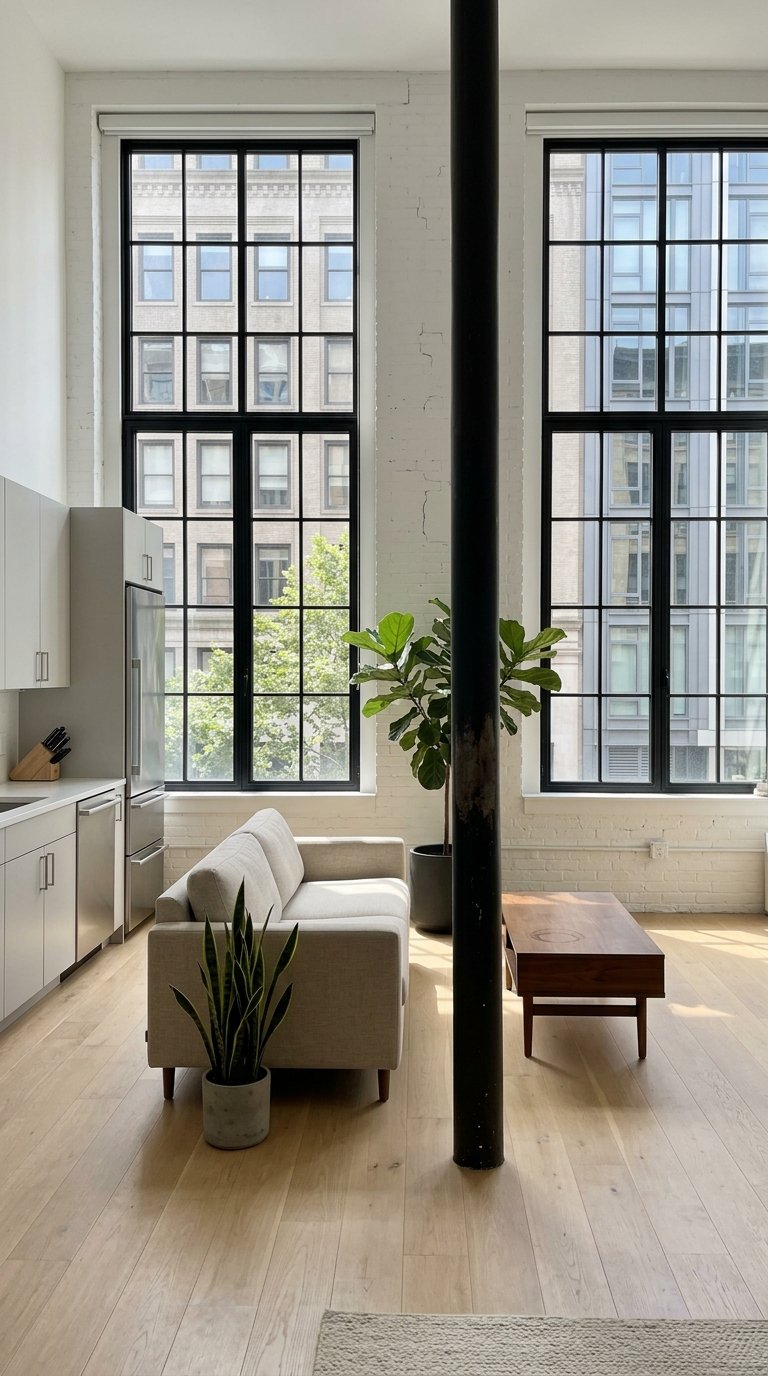
Wondering why two homes in the same Tribeca neighborhood can lead to completely different daily routines? In Tribeca, that difference often starts with the building itself. If you are deciding between a classic loft and a newer full-service condo, understanding how the neighborhood and building type work together can help you choose a home that actually fits the way you live. Let’s dive in.
Why Tribeca Feels Different Block to Block
Tribeca is shaped by its industrial past in a way you can still feel today. New York City Planning describes the neighborhood as a former manufacturing and commercial district that evolved into a primarily residential-and-commercial area. That history still shows up in the mix of store-and-loft buildings, former warehouses, and neighborhood retail.
For you, that means Tribeca does not read like one uniform luxury district. Some blocks feel rooted in old New York architecture and street-level character, while others feel more polished and service-oriented. The building you choose changes how much of that historic texture becomes part of your everyday life.
Street layout matters too. North Tribeca is organized around wide north-south streets like Hudson, Greenwich, and Varick, while West Street and Broadway frame the area. New York City Planning also notes that Holland Tunnel exit ramps interrupt some east-west continuity, so certain blocks feel more seamless and walkable while others are more shaped by traffic patterns.
How the Neighborhood Supports Daily Life
One of Tribeca’s biggest lifestyle advantages is access to the Hudson River waterfront. In the Tribeca section of Hudson River Park, you have a long stretch between Chambers Street and Canal Street that supports everything from a quick walk to a full afternoon outside. It is one of the clearest examples of how Tribeca can extend your living space beyond your front door.
Pier 25 adds miniature golf, beach volleyball, a playground, a skatepark, boating facilities, and food options. Pier 26 brings in a boardwalk, native plantings, a dog run, basketball courts, and tennis courts. If you like to break up your day with movement, fresh air, or a change of scenery, that waterfront access becomes a real part of your routine.
Smaller local parks help too. Tribeca Dog Run, Tribeca Park, and Washington Market Park give you practical outdoor options close to home. Washington Market Park also includes athletic facilities, a playground, and a comfort station, which makes it useful for short everyday visits instead of only planned outings.
Transit is another reason Tribeca works well for many buyers. The neighborhood is accessible by multiple subway stations, especially along Canal Street. So when you compare homes here, the question is usually not whether Tribeca is connected. It is whether you want more of your day to happen inside your building or out in the neighborhood.
Classic Tribeca Lofts Put the Home First
Classic Tribeca lofts are closely tied to the neighborhood’s warehouse and store-and-loft history. Landmark reports describe these buildings as mid-19th-century structures originally built for wholesale and manufacturing uses. In many cases, they included large wood-framed show windows and broad interior spaces that still shape the feel of the homes today.
That history helps explain why loft living in Tribeca often feels open, flexible, and architectural. New York City Planning notes that northern Tribeca’s older loft buildings attracted artists because of their large floor plates and floor-through layouts. Even now, those same qualities often support home offices, entertaining, creative layouts, and a more customized use of space.
If you are drawn to volume and character, a classic loft can feel deeply personal. The apartment itself often becomes the center of gravity. Instead of relying on a building amenity package, you may spend more time shaping your own interior environment around how you work, host, and relax.
There is also a practical side to that choice. In landmarked settings, alterations, reconstructions, demolitions, and new construction that affect a landmark require approval from the Landmarks Preservation Commission. For you as an owner, that can mean changes may feel more involved than they would in a newer building.
Newer Tribeca Condos Streamline the Day
Newer full-service condos in Tribeca create a different kind of lifestyle. Rather than making the apartment alone do all the work, these buildings often spread daily living across attended services and shared amenities. That can shift your routine in a very noticeable way.
For example, newer condo towers in Tribeca have marketed features like 24-hour attended lobbies, lounges, dining rooms, pools, wellness areas, fitness centers, recreation rooms, library lounges, conference space, and landscaped outdoor areas. The point is not one specific building. The bigger takeaway is how these homes are designed to absorb more of daily life.
If you work from home, exercise regularly, entertain often, or simply value convenience, that setup can be appealing. Instead of heading out for every need, you may handle more of your day within the building itself. That can make life feel more frictionless and predictable.
Light and views also tend to play a bigger role in newer condo living. Some newer buildings emphasize curved glass, wide window walls, river views, and private outdoor space. In practical terms, that often creates a more vertical, view-driven experience of Tribeca, compared with the grounded, street-connected feel of a traditional loft.
What Changes From Morning to Night
The biggest difference between a classic loft and a newer condo is where your day feels centered. In a loft, your routines may revolve around the apartment’s scale, layout, and architectural personality. In a newer condo, your routines may be distributed across services, amenity spaces, and a more managed building experience.
Here is a simple way to think about it:
| Home type | Daily center of life | Typical appeal |
|---|---|---|
| Classic loft | Inside the apartment and out on the neighborhood streets | Character, open layouts, flexibility, historic texture |
| Newer condo | Across the apartment, amenities, and attended services | Convenience, streamlined routines, amenities, views |
Neither option is automatically better. The better fit depends on whether you want your home to feel more self-directed and architectural, or more full-service and turnkey.
How to Think About Your Own Fit
If you are trying to narrow your search, it helps to focus less on labels and more on habits. Ask yourself where you want your life to happen on a typical weekday and weekend. Your answer often points to the right building type faster than a wish list alone.
A classic Tribeca loft may be the better fit if you value:
- Open floor plates and flexible furniture layouts
- A strong connection to historic building character
- A home that feels highly personal and self-shaped
- More street-level engagement with the neighborhood
A newer full-service condo may make more sense if you value:
- Attended service and a more managed living experience
- Amenities that support fitness, work, or hosting
- A simpler day-to-day routine inside the building
- Light, views, and a more contemporary feel
Tribeca Works Because It Supports Both Styles
What makes Tribeca so compelling is that the neighborhood supports both ways of living. The waterfront, local parks, neighborhood retail, and subway access make it easy to live actively outside your home. At the same time, the range of building types gives you very different versions of what daily life can look like.
That is why buying in Tribeca is not just about square footage or finishes. It is about choosing the rhythm that matches you. In this neighborhood, the streets, parks, and historic fabric shape your days, but the building type decides whether those days feel more open-ended and hands-on or more amenity-rich and streamlined.
If you are weighing a Tribeca loft against a newer condo, the right decision usually becomes clearer once you match the home to your actual routines. The best buyers do not just ask what looks impressive on paper. They ask how the home will feel on a Tuesday morning, a work-from-home afternoon, and a quiet Sunday by the waterfront.
If you want help comparing Tribeca homes through that lens, the Blatman Team can help you evaluate the tradeoffs, understand the building context, and find a property that fits the way you want to live.
FAQs
What makes Tribeca loft living different from newer condo living?
- Classic loft living is usually centered on open interior space, historic character, and a more self-directed routine, while newer condo living often centers on attended service, shared amenities, and a more streamlined day-to-day experience.
How does the Tribeca neighborhood affect daily life?
- Tribeca offers waterfront access, smaller local parks, neighborhood retail, and multiple subway connections, so your daily routine can include both convenient city access and easy outdoor breaks.
Why do some Tribeca blocks feel more walkable than others?
- Street layout plays a role, because wide north-south streets help organize the area while Holland Tunnel ramps interrupt some east-west continuity through the center of the neighborhood.
Are classic Tribeca lofts tied to the neighborhood’s history?
- Yes. Many classic lofts come from Tribeca’s former store-and-loft and warehouse building stock, which helps explain their large floor plates, open layouts, and strong industrial character.
What should you consider before buying a landmarked Tribeca loft?
- You should know that certain changes affecting a landmark require approval from the Landmarks Preservation Commission, which can make alterations more involved than in newer buildings.
Is Tribeca a good fit if you want an amenity-rich lifestyle?
- It can be, because newer full-service condo buildings in Tribeca often include attended lobbies, fitness and wellness spaces, lounges, pools, and other features that keep more of daily life inside the building.