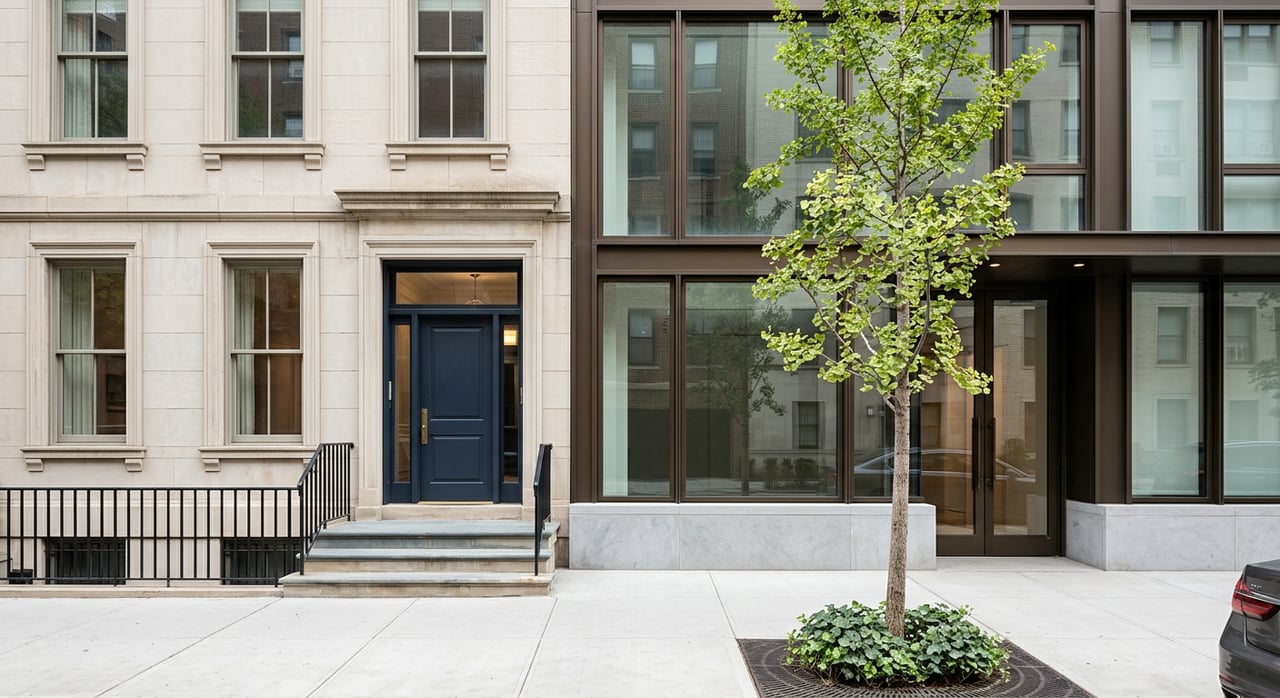
Choosing where to live on the Upper East Side can feel like picking between classic elegance and modern convenience. Each avenue and a few key corridors have their own rhythm, housing styles, and daily perks. If you want a quick, practical way to narrow your search, you’re in the right place. Below, you’ll get a clear breakdown of UES micro-neighborhoods, how they differ, and which ones tend to fit common priorities like park access, newer condos, quiet blocks, and commute-friendly locations. Let’s dive in.
How the Upper East Side breaks down
The Upper East Side runs roughly from 59th Street to 96th Street, between Central Park and the East River. It covers many smaller pockets, including Lenox Hill, Carnegie Hill, Yorkville, and the Park and Fifth Avenue corridors. A simple way to orient yourself is by Lexington Avenue. West of Lexington you’ll find older, higher-price prewar co-ops close to the park and Madison Avenue shopping. East of Lexington you’ll see more recent condo development, lively retail on Second and Third Avenues, and generally lower price points for similar square footage. These are patterns, not rules, but they’re useful when you start touring.
For price context, as of December 2025 the median listing price on the UES was about $1,712,500. That number varies by block and zip code. Park- and Fifth-adjacent homes often sit at the upper end, while easterly addresses including Yorkville tend to offer more value. Always check current data and compare by micro-area before you write an offer.
Park side: Fifth and Park Avenue
Architecture and vibe
If you picture limestone facades, doorman co-ops, and formal layouts, you’re likely thinking of the Fifth and Park Avenue stretch. Many buildings here are grand prewar co-ops or historic townhouses, with a premium for Central Park proximity and, in some cases, park views. Side streets feel calm and leafier, especially a few steps off the avenues.
Daily life and transit
Living here puts you at the front door of Central Park, with Madison Avenue boutiques and dining a short walk away. For commuting, you’ll tap the Lexington Avenue 4/5/6 line and crosstown connections. The tradeoff is price. You pay for classic architecture, scale, services, and location.
Museum Mile and Carnegie Hill
Culture within reach
Along Fifth Avenue from about 82nd Street north, the Museum Mile corridor is a cultural backbone that includes the Met, Guggenheim, Cooper Hewitt, and more. It is one of the city’s most concentrated museum districts and a key identity marker for the UES. You can read more about the institutions and geography on the Museum Mile overview from Wikipedia: Museum Mile details and landmarks.
Housing mix and who it suits
Step a block or two east into Carnegie Hill and you’ll find townhouse rows, mansion conversions, small walk-ups, and select prewar co-ops. Many buyers choose it for quieter residential blocks, classic architecture, and easy access to both Central Park and museum programming.
Madison and Park shopping corridor
Retail and restaurants at your door
From the mid-60s through the 80s, Madison and Park offer polished retail, private clubs, and established restaurants. It is a refined, walkable environment where daily errands sit close to home.
Housing options
Buildings often come with full services and classic amenities, including white-glove co-ops and some modern condos. If you prefer a formal neighborhood feel with boutique shopping nearby, these corridors belong on your list.
Lenox Hill and the Medical Corridor
Anchors and convenience
In the mid-60s through the 70s on the east side, multiple medical centers create a distinct micro-area. The cluster includes NewYork–Presbyterian/Weill Cornell, Lenox Hill Hospital, and Memorial Sloan Kettering. If you work in healthcare or want to be near leading facilities, this location can be a practical fit. Explore one of the major anchors at NewYork–Presbyterian/Weill Cornell.
Who it fits
Expect a lively daytime presence and a mix of residential and institutional buildings. Many buyers in this corridor value a quick walk to work, a reliable commute, and services that cater to the hospital community.
Yorkville and the East River
Parks and waterfront
Yorkville stretches on the east side from roughly the upper 70s through the mid-90s, reaching the East River. You’ll find Carl Schurz Park, the East River Greenway, and the Gracie Mansion site, a local landmark that anchors the park area. Learn more about the residence and setting at the Gracie Mansion overview.
Housing stock and pace
This pocket blends mid-century co-ops and walk-ups with newer condo and rental buildings along First and Second Avenues. Side streets feel calmer, and the waterfront paths, playgrounds, and dog runs are a real draw. Many buyers come here for value, outdoor access, and a more relaxed block life.
East of Lexington: Second and Third Avenues
Newer condos and value
Second and Third Avenues have seen steady condo development, especially from the 70s through the 90s. You’ll find more modern finishes and amenity buildings here, along with relatively lower price points than the park side for similar space.
Commuting benefits
The Second Avenue Subway changed the calculus for the east side. With Q-line stations at 72nd, 86th, and 96th Streets, you can reach Midtown more quickly and lighten your walk to the train. See the history and station list on the Second Avenue Subway page.
Co-op or condo: what to expect
On the UES, co-ops remain common. When you buy a co-op, you purchase shares in a corporation and receive a proprietary lease. Board approval is standard, and many buildings expect detailed financial disclosure along with sizable down payments or post-closing liquidity. Closing costs are often lower than condos, but rules can be stricter on subletting or renovations.
Condos are deeded real property with generally more flexible rules and simpler approvals. They usually carry higher purchase prices and higher closing costs, but they can be easier to resell and to finance for some buyers. If you want newer construction or an amenity-rich building, start your search east of Lexington where condos cluster.
Price context and how to shop smart
As of December 2025, the UES median listing price was about $1,712,500. Prices move with proximity to Central Park, architecture type, building services, and transit access. The same bedroom count can vary widely from Fifth Avenue to Second Avenue, and even block to block.
A few smart steps as you compare:
- Track walk times to the 4/5/6 and Q stations. Transit often shapes value. A Q stop within a few blocks can be a major plus.
- Weigh building type and rules. Co-op vs condo policies can influence both your lifestyle and your long-term exit.
- Look at micro-area medians, not just neighborhood-wide trends. Zip codes and even corridors tell a more accurate story.
- Tour on different days and times. Blocks feel different at 8 a.m. on a weekday than on a Sunday afternoon.
Find your fit: quick picks
Use this short list to match daily priorities with likely corridors. These are typical patterns, not hard rules, and there are standout exceptions across the UES.
- Want Central Park access and classic prestige → Fifth and Park Avenues in the 60s through 80s. Expect prewar co-ops, formal layouts, and potential park views.
- Culture and museums within walking distance → Fifth Avenue’s Museum Mile from roughly 82nd to 96th and beyond. Consider Carnegie Hill for quieter blocks near the institutions. See the Museum Mile overview.
- High-end shopping and polished dining → Madison Avenue through the 60s, 70s, and 80s, plus stretches of Park Avenue south of the 70s for a refined, convenient retail corridor.
- Best value for newer condos and space → East of Lexington, especially along Second and Third Avenues from the 70s to the 90s. The Second Avenue Subway improves access here.
- Quiet blocks and river access → Yorkville and East End Avenue in the mid-80s near Carl Schurz Park. Learn more about the area’s anchor at the Gracie Mansion page.
- Close to major hospitals → The Lenox Hill corridor around the upper 60s to mid-70s near Park, Lexington, and York Avenues. One of the anchors is NewYork–Presbyterian/Weill Cornell.
Ready to explore the UES with a local plan?
If you want a tailored tour that lines up with your budget, commute, and lifestyle, we can help you zero in on the right blocks and the right buildings. From co-op board preparation to condo negotiations, the Blatman Team brings hands-on guidance and data-informed strategy to every step. When you are ready, connect with the Blatman Team to schedule a personalized consultation.
FAQs
What are the main differences west vs east of Lexington on the UES?
- West of Lexington, you’ll find more prewar co-ops, formal buildings, and higher prices near the park. East of Lexington, you’ll see more recent condo development, active retail, and relatively lower price points for similar space.
How does the Second Avenue Subway affect east-side living on the UES?
- The Q-line stations at 72nd, 86th, and 96th Streets shorten commutes and expand options east of Lexington, which supports demand for newer condos along Second and Third Avenues. Learn more on the Second Avenue Subway page.
Which UES areas are closest to major hospitals and medical centers?
- The Lenox Hill corridor around the upper 60s to mid-70s near Park, Lexington, and York Avenues sits by NewYork–Presbyterian/Weill Cornell, Lenox Hill Hospital, and MSK. See one of the anchors at NewYork–Presbyterian/Weill Cornell.
Where can I walk to museums from home on the UES?
- The Museum Mile stretch on Fifth Avenue from roughly 82nd to 96th and farther north is a cultural spine with the Met, Guggenheim, and more. Carnegie Hill offers quieter residential blocks nearby. Explore the Museum Mile overview.
What is the current price context on the Upper East Side?
- As of December 2025, the median listing price was about $1,712,500. Pricing shifts by block and building type, so compare by micro-area and confirm current numbers before you offer.
Is Yorkville good for river access and relaxed blocks?
- Yes. Yorkville offers Carl Schurz Park, the East River esplanade, and a mix of mid-century co-ops and newer condos. The Gracie Mansion overview highlights one of the area’s anchors.