Upper East Side vs. Murray Hill: Which Fits Your Buyer Profile?
Quick Answer: Should you buy on the Upper East Side or in Murray Hill? In most cases, the Upper East Side suits buyers who want established prewar elegance, full-service co-ops, and proximity to Central Park and Museum Mile and are willing to pay for it, while Murray Hill tends to fit value-focused and first-time buyers, young professionals, and Midtown commuters who prioritize convenience and price over prestige. The right answer depends less on the neighborhoods themselves than on your budget, your stage of life, and whether you value quiet permanence or central access.
Where Are the Upper East Side and Murray Hill?
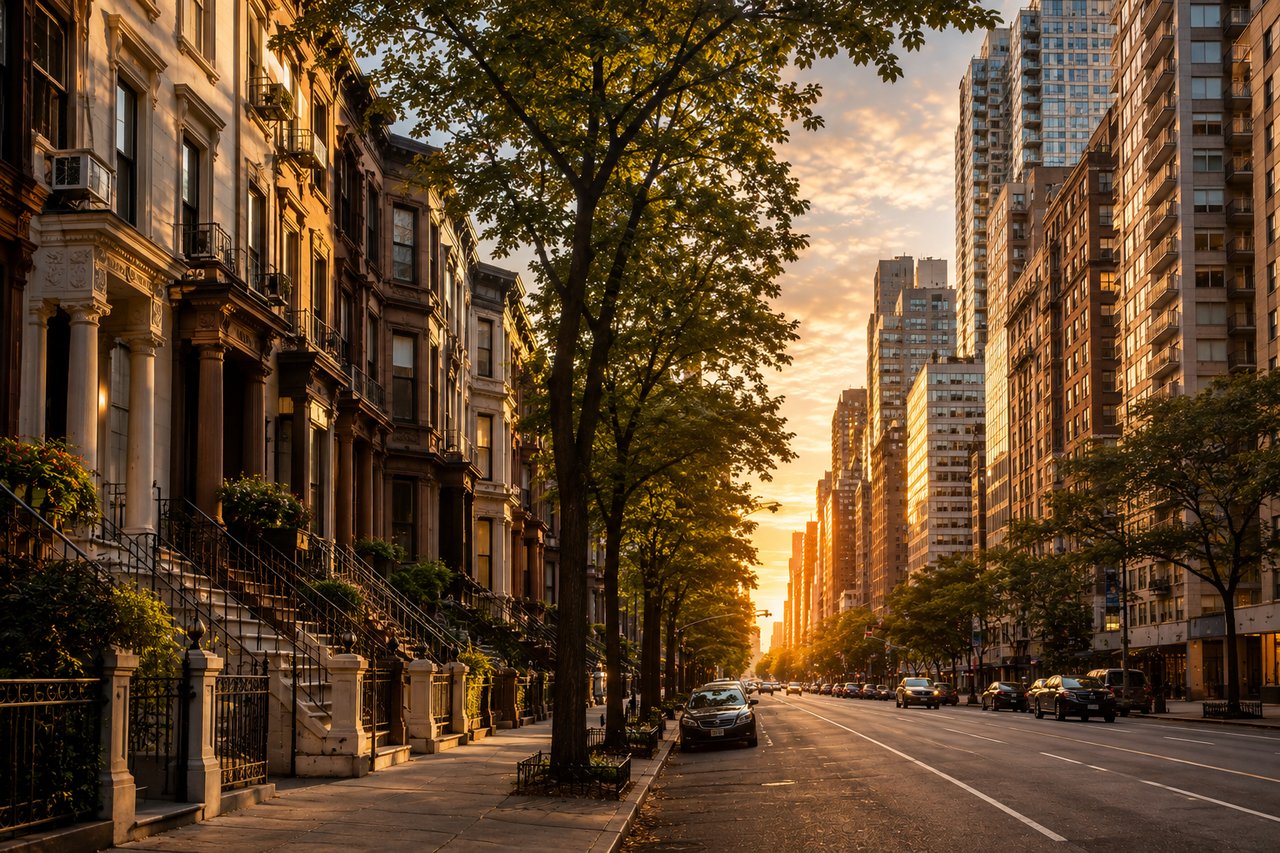
They occupy different corners of the East Side and different places in a buyer's journey. The Upper East Side runs north from roughly 59th Street along Central Park and the East River, an established residential district known for prewar co-ops, rarefied blocks, cultural institutions, and green space at both Central Park and Carl Schurz Park. Murray Hill sits in Midtown East, generally between the upper 30s and lower 40s from around Madison Avenue to the East River, a more central and famously convenient neighborhood anchored by its closeness to Grand Central and Midtown offices. One reads as settled and traditional; the other reads as practical and connected.
What Kind of Buildings Does Each Neighborhood Have?
The building profiles differ in ways that shape both price and process. The Upper East Side is dominated by prewar cooperatives, many of them full-service buildings with doormen and resident managers, alongside a supply of condos, which means buyers frequently encounter co-op board approval and the financial scrutiny that comes with it. Murray Hill blends preserved 19th-century brownstone rows, part of it within a historic district, with a large stock of postwar co-ops and rental-to-condo conversions, plus newer condo developments along its avenues. In practice, that gives Murray Hill a deeper pool of full-service buildings at more accessible price points and, through its newer condos, more of the flexibility that first-time and investor buyers often want.
Which Is Cheaper, the Upper East Side or Murray Hill?
This is where the neighborhoods separate most clearly. The Upper East Side, particularly its prime blocks near the park, sits among Manhattan's more established and higher-priced areas, and buyers there are generally paying for prestige, space, and location. Murray Hill typically offers more apartment, and more full-service amenity, per dollar, which is a large part of why it has long served as an entry point for younger buyers and professionals. Neither is universally cheaper across every apartment, but as a rule, a buyer comparing similar full-service units will find Murray Hill the more value-oriented of the two, while the Upper East Side commands a premium tied to its address and its access to the park and cultural corridor.
Who Should Buy on the Upper East Side vs Murray Hill?
Fit is really about how you want to live. The Upper East Side rewards buyers who value quiet, established residential streets, top schools, museums, and Central Park, which is why it appeals strongly to families and to buyers seeking long-term permanence. Murray Hill rewards buyers who prioritize a short commute to Midtown and Grand Central, a lively dining and social scene, and central access, which is why it draws young professionals and first-time buyers. A rough test: if your ideal weekend centers on the park, cultural institutions, and neighborhood continuity, the Upper East Side likely fits; if it centers on convenience, energy, and getting the most home for your budget, Murray Hill probably does.
How Does Neighborhood Affect Closing and Carrying Costs?
Neighborhood choice quietly affects your transaction costs, not just your rent-equivalent. Because the Upper East Side skews higher in price, a larger share of its purchases cross the tax thresholds that raise closing costs, including the additional tax commonly called the mansion tax that applies at one million dollars and up, which the New York State Department of Taxation and Finance explains for transfer-related taxes. The prevalence of co-ops on the Upper East Side also means board financing caps and post-closing liquidity requirements are more likely to shape what you can buy, whereas Murray Hill's newer condos can offer an easier path for buyers who want to finance more or retain flexibility. Weigh these alongside the sticker price, since two apartments at similar asking prices can carry meaningfully different costs to close and to own.
How Do You Choose Between Them?
Lead with your profile, then test it against real inventory. Rank what matters most, whether that is price, commute, building type, schools, or lifestyle, and let that ordering point you toward one neighborhood rather than trying to compare every listing across both. Understanding each area's building stock in depth helps, and our Upper East Side neighborhood guide is a useful place to study the co-op and condo landscape there before you tour. When you are ready to compare actual options, browsing active and coming-soon Manhattan listings across both neighborhoods will show you how your budget behaves in each, and our guidance for Manhattan buyers covers how to translate a profile into a focused search.
Common Missteps
Watch for choosing a neighborhood on reputation rather than on how you actually live, comparing asking prices without accounting for the different closing and carrying costs each area tends to carry, and assuming the Upper East Side is always more expensive or Murray Hill always the better deal, since specific buildings and apartments vary. Each is easy to avoid by leading with your own priorities and confirming the numbers with your agent and attorney.
There is no better neighborhood here, only the one that fits your budget, your commute, and your stage of life. If you are weighing the two, you can see how we approach buying a condo in Manhattan, follow Manhattan real estate market trends to understand where each area sits today, and learn more about Daniel Blatman's NYC real estate expertise and how it helps buyers match a neighborhood to their profile.