WEST VILLAGE: THE MOST COMPETITIVE MICRO-MARKET IN MANHATTAN
The West Village is not a neighborhood where buyers can afford to deliberate. With fewer than 300 residential sales in a typical year, a building stock that cannot expand due to comprehensive landmark protections, and a buyer pool that is consistently deeper than the available inventory, this compact enclave between Seventh Avenue and the Hudson River, from 14th Street to Houston Street, operates as Manhattan's tightest residential market — a place where the right apartment, priced correctly, can attract multiple offers within days of listing.
For buyers who want to live in the West Village, the challenge is not finding something to like. It is being prepared — financially, strategically, and operationally — to act decisively when the right opportunity appears.
WHY SUPPLY IS PERMANENTLY CONSTRAINED
The West Village's inventory limitation is not cyclical. It is structural, embedded in the neighborhood's physical and regulatory framework.
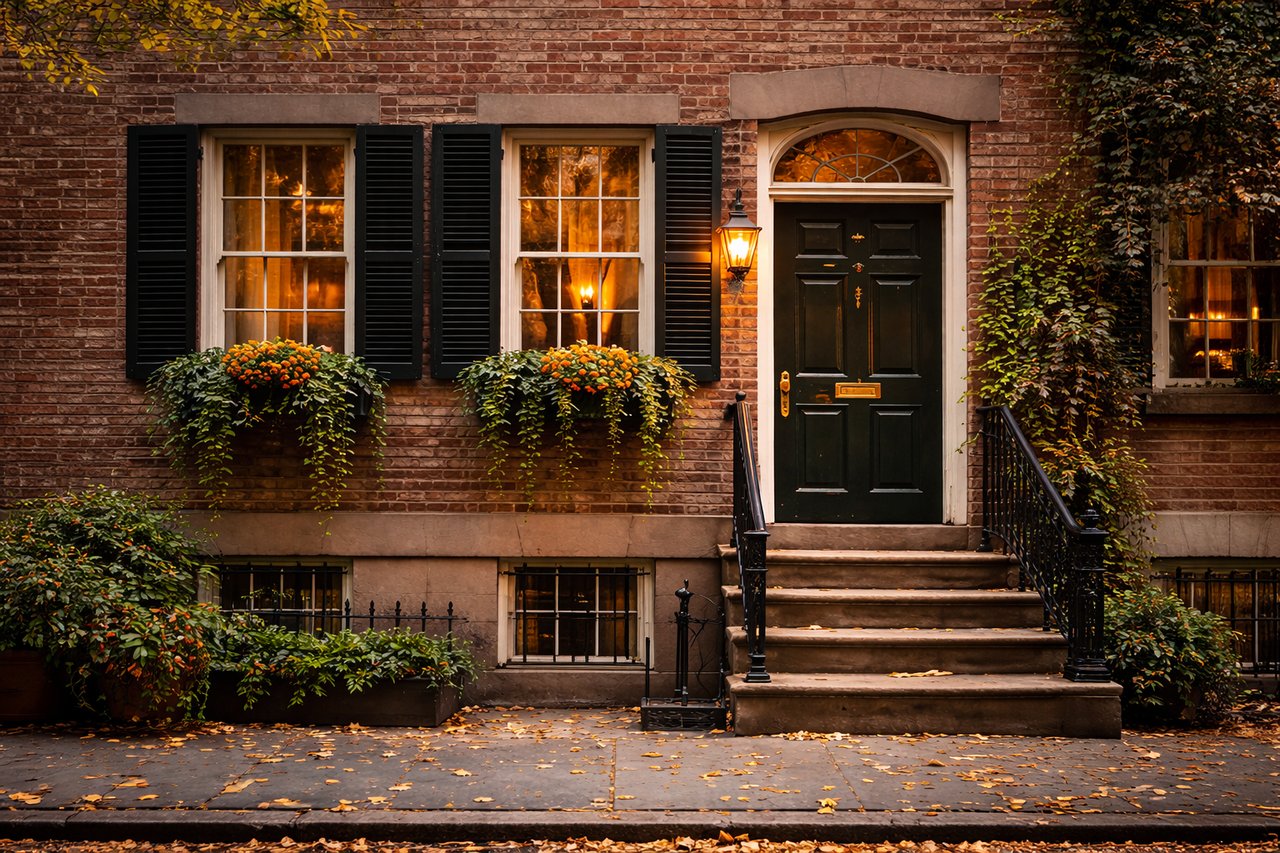
The building stock consists almost entirely of low-rise structures — two- to five-story row houses, townhouses, and walk-up apartment buildings — most of which were constructed between the 1820s and 1920s. The neighborhood sits within the boundaries of the Greenwich Village Historic District and its subsequent extensions, which prevent demolition, restrict the scale of new construction, and require LPC approval for exterior alterations. The Gansevoort Market Historic District provides additional protections along the neighborhood's northern edge near the High Line.
The result is a residential inventory that is effectively fixed. No tower will rise on Perry Street. No block of townhouses will be demolished for a glass-walled condo. The number of apartments available in any given year is determined by how many existing owners choose to sell — and in a neighborhood this desirable, turnover is remarkably low.
Buyers sometimes ask: Does low inventory mean I should pay whatever is asked? No. It means you should be prepared to move quickly on correctly priced properties and disciplined enough to walk away from those that are not. The best West Village purchases are made by buyers who have done their homework before the listing appears — who understand the pricing benchmarks, have their financing in order, and can submit a strong offer within 48 hours.
THE BUILDING TYPES AND WHAT THEY COST
The West Village offers three primary residential product types, each with its own pricing band and buyer profile.
Townhouse and brownstone co-op units — typically one- or two-bedroom apartments within subdivided row houses — trade between $1,500 and $2,500 per square foot depending on condition, floor, and the building's specific character. These apartments offer the most distinctively "West Village" living experience: exposed brick, original mantels, garden access, and the intimacy of a small building.
Prewar co-op apartments in larger walk-up and elevator buildings provide more conventional layouts and, in full-service buildings, the infrastructure of doormen and staff. Pricing ranges from $1,200 to $2,000 per square foot, with premium units in the most desirable buildings commanding more.
Condos are scarce and expensive. The limited condo inventory in the West Village — concentrated in a small number of converted commercial buildings and boutique new developments — trades at $2,500 to $4,000 per square foot or above, reflecting both the rarity of fee-simple ownership and the flexibility it provides.
Transaction data is searchable through the NYC Department of Finance's ACRIS system.
HOW TO COMPETE EFFECTIVELY
In a market where desirable listings receive multiple offers within the first week, competitive advantage comes from preparation, not improvisation.
Financial readiness is the foundation. Buyers should have a pre-approval letter from a recognized lender, a proof-of-funds letter demonstrating liquid reserves beyond the down payment, and a clear understanding of their maximum comfortable purchase price before beginning their search. For co-op purchases, a preliminary review of the board package — reference letters drafted, financial documents organized — saves critical time when a property appears.
Speed is the second advantage. When a correctly priced West Village listing hits the market, the window for competitive offers may be measured in days rather than weeks. Buyers who can tour the property, consult their attorney, and submit a fully documented offer within 48 to 72 hours are at a structural advantage over those who need a week to assemble their materials.
The third advantage is broker expertise. An agent with deep West Village relationships — who knows which buildings are well run, which units are being prepared for market, and how to present an offer that maximizes its appeal to a specific seller — provides intelligence that no listing portal can replicate. The buyer's guide at danielblatman.com is built around this kind of neighborhood-specific preparation.
FINANCIAL CONSIDERATIONS
West Village pricing places most transactions in ranges where closing costs are significant. Co-op buyers benefit from avoiding the NYC Mortgage Recording Tax. Condo buyers should model this tax — 1.8 to 1.925 percent of the loan amount — as part of their total acquisition cost. All buyers should confirm Cooperative and Condominium Property Tax Abatement status and review the NYC Department of Finance's Property Tax Benefits page for applicable programs.
Building compliance is verifiable through the NYC Department of Buildings and HPD Online, and should be checked before any offer is submitted.
THE BOTTOM LINE
The West Village rewards buyers who combine genuine desire with rigorous preparation. Its supply will not expand. Its demand will not diminish. And the buyers who consistently win in this market are those who arrive ready — financially prepared, strategically informed, and working with a broker whose West Village expertise converts speed and knowledge into closed deals.
For buyers ready to compete at that level, Daniel Blatman provides the neighborhood intelligence, negotiation discipline, and operational readiness that the West Village demands.