West Village vs. SoHo: Which Manhattan Neighborhood Fits Your Buyer Profile?
In a sentence: Should you buy in the West Village or SoHo? It depends on the buyer you are. The West Village tends to fit buyers who want a charming, low-rise village feel, historic townhouses and prewar homes, and a residential pace with great dining at the door. SoHo tends to fit buyers who want dramatic loft living, cast-iron architecture, and the energy of a world-famous shopping and gallery district. Both are among downtown's most desirable and expensive neighborhoods, so the right call comes down to the kind of home you want to own and the atmosphere you want around it.
The Fast Comparison
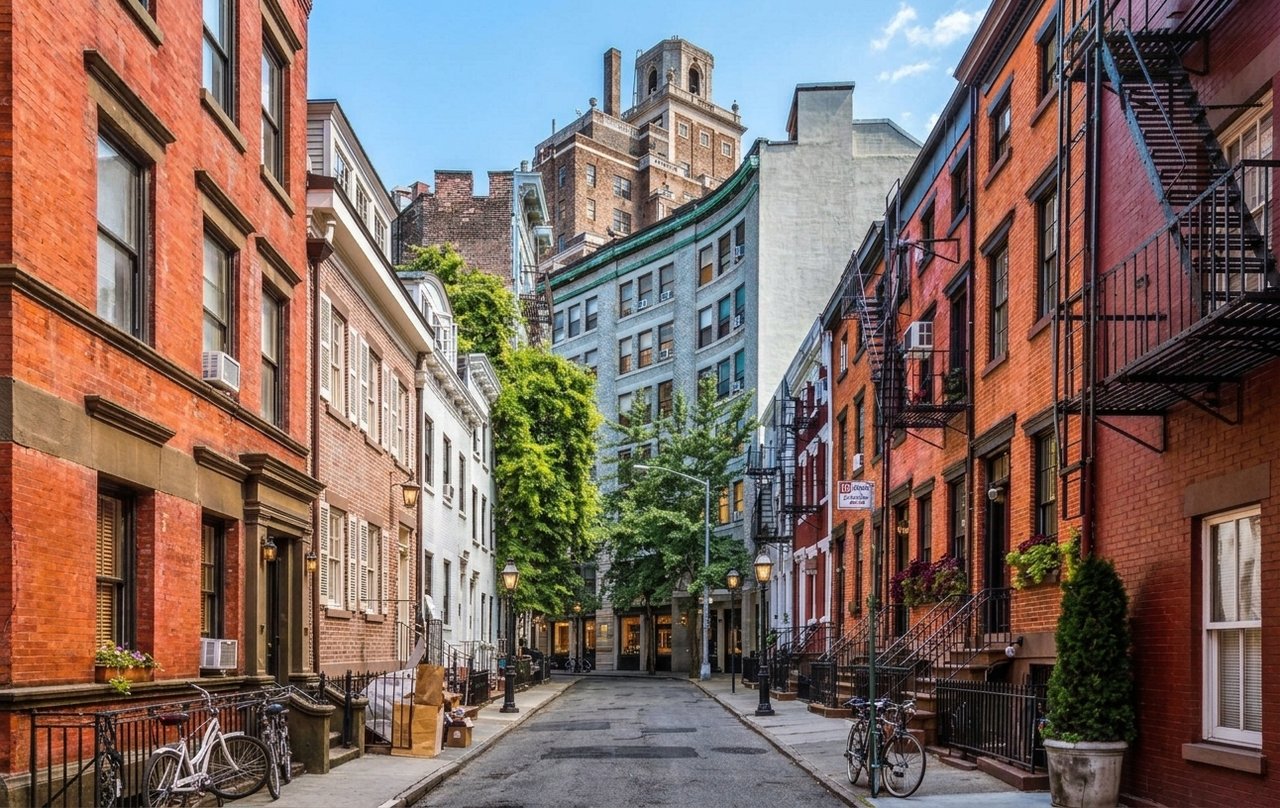
If you remember one thing, remember how these two neighborhoods sort buyers. The West Village is the picturesque, residential choice, defined by tree-lined and winding streets, low-rise townhouses and brownstones, prewar co-ops, and a village atmosphere that feels calm despite its popularity. SoHo is the architectural, high-style choice, defined by its landmarked cast-iron district, expansive loft residences with soaring ceilings, and a dense concentration of shopping, dining, and galleries. One rewards buyers who want charm and a neighborhood feel; the other rewards buyers who want scale, light, and the excitement of one of the city's most iconic districts.
Who the West Village Fits
The West Village is a natural fit for buyers who want character, calm, and a true neighborhood feel. Its winding, tree-lined streets and low-rise scale give it an intimacy that is rare in Manhattan, and its mix of historic townhouses, brownstones, prewar co-ops, and a limited number of boutique condos appeals to buyers who value charm and architectural history. The dining and small-business scene is among the best in the city, yet the residential blocks stay quiet, which is a large part of the draw for families and long-term owners. Proximity to Hudson River Park adds green space and air. The trade-off is cost and supply: the West Village is one of Manhattan's priciest and most tightly held neighborhoods, so desirable homes are scarce and command a premium.
Who SoHo Fits
SoHo is a strong fit for buyers drawn to loft living and distinctive architecture. Its landmarked cast-iron buildings house some of the most dramatic residential spaces in the city, with soaring ceilings, oversized windows, and open, flexible floor plans that feel unlike anything in a traditional apartment. The neighborhood is a global destination for shopping, art, and dining, which gives it an energy and a prestige that appeal to buyers who want to be at the center of downtown style. The housing stock skews toward condos and co-op lofts, often in converted historic buildings. The trade-off is that SoHo's bustling, commercial character means more crowds and fewer quiet residential pockets than the West Village, and loft living comes with its own considerations around layout and building systems.
Condo, Co-op, or Loft? The Choice Often Follows the Neighborhood
Because the two neighborhoods carry different housing stock, your choice between them often decides the kind of home you buy. The West Village offers prewar co-ops, a limited selection of boutique condos, and townhouses for buyers who want to own a whole building, though a co-op brings board approval and tighter rules and a townhouse brings full responsibility for maintenance. SoHo is defined by loft residences, often condos or co-op conversions, which offer scale and flexibility but can require a careful look at how a converted industrial building has been updated. If a classic, charming home in a quiet setting is the goal, the West Village is the likelier path; if a dramatic, light-filled loft is the dream, SoHo is where you will find it. Our guidance for Manhattan buyers walks through how to weigh those options against your plans.
The Due-Diligence Callout: Verify the Building Behind the Facade
Both neighborhoods are landmarked and rich in older and converted buildings, so the diligence is especially important, though it looks a little different. In either neighborhood, confirm whether a building sits within a historic district, since exterior changes may require review by the NYC Landmarks Preservation Commission. For a co-op or condo loft, review the reserve fund, planned capital work, and any assessments, and read the offering plan and its amendments, which sponsors file with the New York State Attorney General's real estate regulation division. For a converted loft building or an older townhouse, pay particular attention to the condition of major systems, the roof, and the facade, since historic structures carry real upkeep. Buying what you can actually verify is what keeps either neighborhood a sound decision.
How to Decide
Start from your buyer profile rather than the listings. If you want charm, a quiet village feel, and a historic home in one of the city's most beloved neighborhoods, the West Village is likely your fit. If you want a dramatic loft, striking architecture, and the energy of a world-famous district, SoHo probably fits better. Then pair that instinct with current inventory by browsing active and coming-soon Manhattan listings, which will tell you more about what each neighborhood offers your budget right now than any general rule.
The best neighborhood is the one that fits how you actually live, not the one with the strongest reputation. If you are weighing the West Village against SoHo, see how we approach buying in Manhattan and selling in Manhattan, and if you are selling, the home valuation tool is a sensible first step for grounding your price in current data. Follow New York real estate market trends to understand where each neighborhood is priced today, and learn more about Daniel Blatman's NYC real estate expertise and how it helps buyers and sellers match the right neighborhood to the right profile.