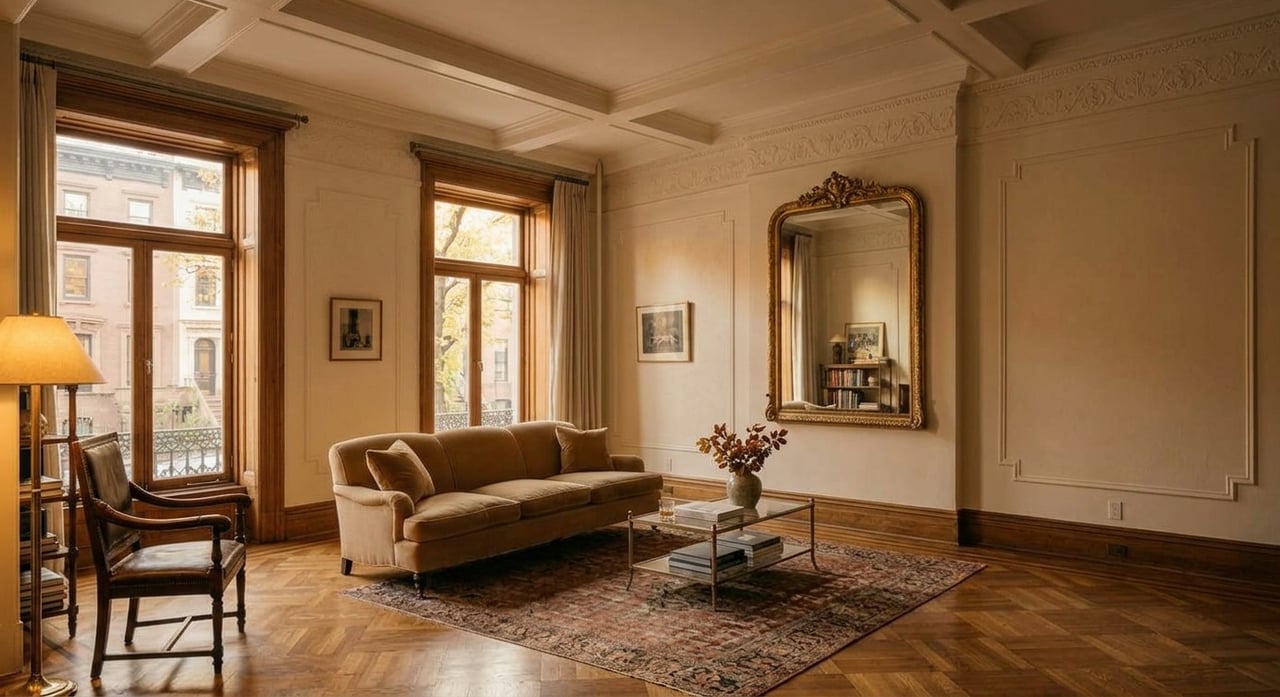
What to Know Before Buying in a Prewar Building in NYC
First things first: Should you buy a prewar apartment in NYC? For many buyers, yes, because prewar buildings offer craftsmanship, scale, and character that newer construction rarely matches. The catch is that the same age behind that charm brings older systems, quirkier layouts, and a co-op culture that demands more of a buyer. The right move is to go in clear-eyed, weighing what prewar does better against what it asks you to accept.
What "Prewar" Actually Means
In New York, prewar generally refers to buildings constructed before World War II, roughly the 1900s through the late 1930s. The label is less about a date than about a style of building: solid masonry construction, thick walls, high ceilings, and detailing that was standard then and expensive to reproduce now. Most prewar inventory is co-op rather than condo, which shapes both the buying process and the rules you live under afterward.
The Case for Prewar
The appeal is real and hard to fake. Prewar apartments tend to offer generous proportions, defined rooms, and architectural detail such as moldings, hardwood floors, archways, and sometimes original fireplaces. Thick plaster-and-masonry walls make them notably quieter than many newer buildings, where sound travels more easily between units. Layouts often include gracious entry foyers and separate, well-sized rooms rather than open-plan space, which many buyers prefer for privacy and for how the home lives day to day. Add established, often tree-lined locations in neighborhoods that matured decades ago, and the lifestyle case for prewar is straightforward.
The Trade-Offs to Weigh
Age cuts both ways. Older systems, plumbing, wiring, heating, and sometimes window-unit cooling instead of central air, can mean higher upkeep and the prospect of building-wide upgrades over time. Kitchens and bathrooms may be smaller or need renovation to meet modern expectations, and closet and storage space is frequently tighter than in newer construction. Layouts that feel characterful can also feel inefficient, with hallways and formal rooms that use square footage you are paying for. None of these is a dealbreaker, but each is a cost or compromise to price honestly before you fall for the moldings.
Prewar vs. New Construction
The honest comparison is a trade of character for convenience. New construction offers modern systems, central air, in-unit laundry, updated kitchens and baths, and often a deeper amenity package, usually as a condo with simpler purchase rules and more resale and rental flexibility. Prewar offers craftsmanship, quiet, and scale, usually as a co-op with lower price per square foot but stricter rules and board approval. Neither wins outright. The better fit depends on whether you value a home that is move-in modern or one with a character that cannot be rebuilt, and on how much renovation and oversight you are willing to take on.
The Due-Diligence Callout: Read the Building, Not Just the Apartment
With a prewar home, the building's condition and finances matter as much as the unit, so this is where careful buyers protect themselves. Have your attorney review the reserve fund, recent and planned capital projects, and any assessments, because aging systems and facades eventually need work, and a building with thin reserves is one that may bill owners for it. That facade point is concrete: buildings taller than six stories must complete recurring exterior inspections and repairs under New York City's facade safety program, which the NYC Department of Buildings administers, and a prewar building entering that cycle underfunded can face significant costs. In a co-op, also confirm the underlying mortgage, the flip tax, and the board's financing and sublet rules before you commit, since these shape both your monthly cost and your flexibility later. Our guidance for NYC buyers covers how to run that review so the charm comes without the surprise.
The Bottom Line
A prewar apartment can be one of the most rewarding homes in New York, offering space, quiet, and character that newer buildings simply cannot replicate. The buyers who are happiest with prewar are the ones who went in understanding the trade-offs and did the homework on the building behind the beautiful rooms. If you are weighing prewar against new construction, see how we approach buying and selling in New York, follow NYC real estate market trends as you shop, and learn more about Daniel Blatman's NYC real estate expertise and how it helps buyers judge exactly these trade-offs.